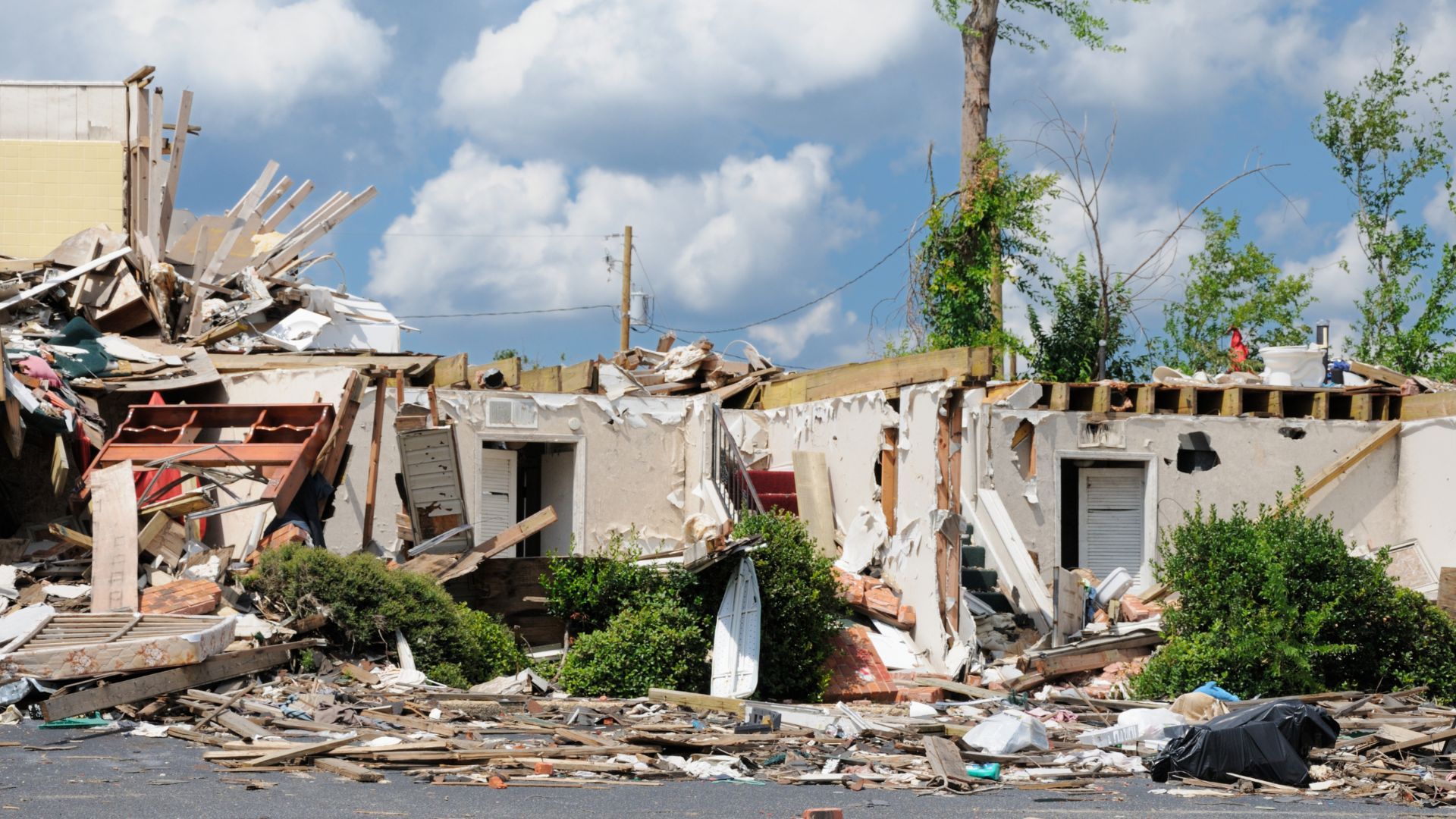
Whether it’s a hurricane, flood, fire, or major plumbing failure, the first 24 hours determine recovery costs and resident impact.
The clock starts ticking the moment a disaster hits. In those first hours, your board’s actions set the tone for everything that follows. Residents look to the board for leadership, information, and reassurance. Vendors and emergency responders need clear direction. Insurance companies expect prompt documentation. The right moves now can save money, reduce stress, and help your community bounce back faster.
Immediate safety and communication come first
The top priority is always life safety. If there’s any doubt about structural integrity, fire risk, or hazardous conditions, call 911 and follow the instructions of emergency services. Once the immediate danger has passed, the board should activate its emergency communication plan. Use every available channel—email, text alerts, social media, and physical postings—to update residents on the situation, safety instructions, and next steps. Don’t assume everyone has power or internet access; redundancy is key.
If your community has residents with special needs, check on them as soon as it’s safe. Make sure they have access to medical care, medications, and support. For communities with a vulnerable persons registry, coordinate with local authorities to ensure everyone is accounted for.
Assessing damage and documenting everything
Once it’s safe to do so, begin a systematic assessment of the property. Take photos and videos of all affected areas before any cleanup or repairs begin. This documentation is critical for insurance claims and FEMA assistance. Assign board members or trusted volunteers to walk the property, noting damage to buildings, common areas, and infrastructure. If possible, use a checklist to ensure nothing is missed.
Contact your insurance provider as soon as possible. Most policies require prompt notice of a loss. Provide them with your initial documentation and follow their instructions for next steps. If you have a property management company, they can often assist with this process and may have established relationships with adjusters and restoration vendors.
Coordinating with vendors and emergency services
Reach out to your pre-approved vendors—restoration companies, plumbers, electricians, landscapers—immediately. The best vendors book up fast after a disaster. If you have standing agreements or emergency contracts, activate them now. Clarify what services they can provide, expected response times, and any limitations due to the scale of the event. If your usual vendors are unavailable, ask for referrals or backup options.
For major disasters, FEMA and local emergency management agencies may offer debris removal and other assistance. Keep a list of helplines and relief organizations handy, and share this information with residents. If your community has a relief organization list, distribute it now.
Keeping residents informed and calm
Transparent, frequent communication is essential. Even if you don’t have all the answers, let residents know what you’re doing and what to expect next. Post updates about utility outages, water safety, elevator status, and estimated timelines for repairs. If digital communication is down, use physical notices in common areas and at building entrances.
Remind residents to document their own unit damage for insurance purposes and to avoid starting repairs until adjusters have visited, unless it’s necessary to prevent further harm. Share tips on safety—such as avoiding floodwater, using generators safely, and watching for downed power lines.
Protecting association data and critical records
Disasters can disrupt access to digital records and essential documents. If you haven’t already, back up all association data to a secure, off-site location or cloud service. Keep hard copies of insurance policies, vendor contacts, resident lists, and emergency procedures in a safe, accessible place. This preparation allows the board to function even if the office is inaccessible or computers are damaged.
Setting expectations for recovery
The first 24 hours are about triage, not perfection. Residents may be anxious or frustrated. Be honest about what the board can and cannot do immediately. Set realistic timelines for repairs and restoration. If certain amenities or services will be unavailable, communicate this clearly and update residents as the situation evolves.
Lean on your management company for support—they often have resources, contacts, and experience that individual board members may not. Daily updates from your management partner can help the board stay on top of developments and keep residents in the loop.
Mental health and community support
Disasters take a toll on more than just buildings. Residents may be dealing with trauma, displacement, or loss. Encourage neighbors to check in on each other, especially those who live alone or have limited mobility. If possible, share information about local mental health resources or crisis hotlines. Organizing a community check-in or support group—even informally—can help residents feel less isolated during a stressful time.
Planning for the next emergency
Once the immediate crisis has passed, schedule a board debrief to review what worked and what didn’t. Update your emergency plan based on lessons learned. Consider holding a community meeting to gather resident feedback and answer questions. The best time to prepare for the next disaster is while the experience is still fresh.