Assessing and prioritizing emergency repairs
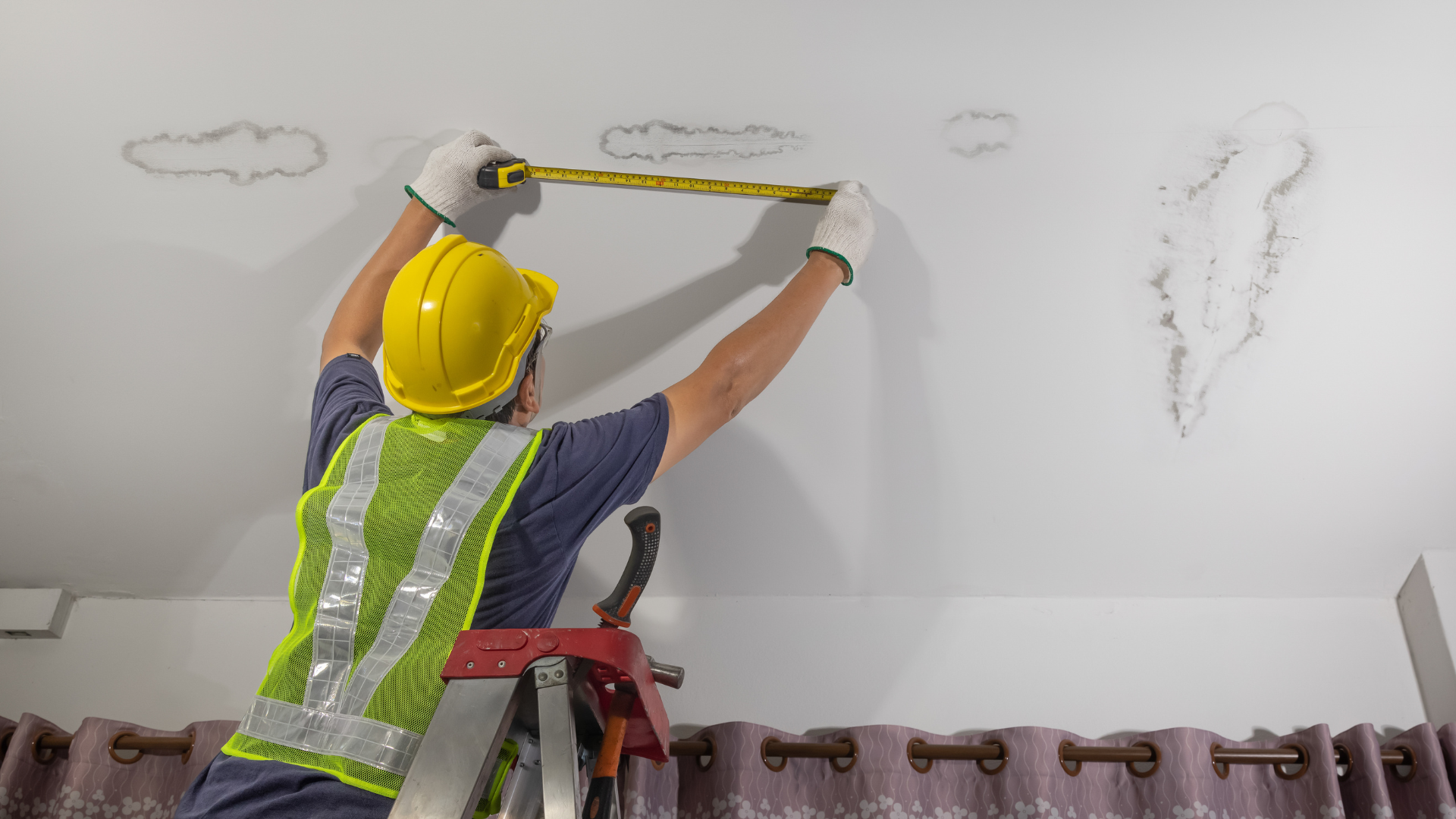
The first step after any disaster is to assess the scope and urgency of the damage. Not every repair is equally urgent. Focus first on issues that threaten safety, habitability, or further property loss. For example, a leaking roof or broken main water line requires immediate action to prevent additional damage, while cosmetic repairs can wait.
Boards should work with property managers and, if needed, licensed contractors to quickly inspect affected areas. Document everything with photos, videos, and written notes. This documentation will be critical for both insurance claims and for tracking the board’s decision-making process.
If the situation poses a safety risk—such as exposed wiring, structural instability, or contaminated water—take steps to secure the area and notify residents. In some cases, you may need to coordinate with local authorities or emergency services.
Organizing documentation for insurance and transparency
Thorough documentation is your best defense if questions arise later about the necessity or cost of emergency repairs. Before any cleanup or demolition begins, photograph and video all damage from multiple angles. Keep receipts, contractor estimates, and correspondence related to the event and repairs.
Maintain a log of board decisions, including meeting minutes or written resolutions that explain why immediate action was necessary. This not only supports your insurance claim but also demonstrates to homeowners that the board acted responsibly and transparently.
If your association has a property manager, ensure they are involved in organizing and storing all documentation. Many management companies offer secure portals for uploading and archiving these records.
Coordinating with contractors and management
Once the board has prioritized repairs, it’s time to engage qualified contractors. For emergency work, you may not have the luxury of a lengthy bidding process, but you should still seek reputable vendors with experience in disaster response. Your property manager can often recommend contractors who are licensed, insured, and familiar with HOA requirements.
Clarify the scope of work and payment terms up front. For major projects, consider negotiating a payment schedule that aligns with anticipated insurance proceeds. Retain a portion of payments until the work is complete and all lien releases are secured. This protects the association from substandard work or unpaid subcontractors.
Keep in mind that some repairs—such as water extraction or temporary roof tarping—may need to happen before the insurance adjuster arrives. In these cases, document the necessity and scope of the work, and retain all invoices for your claim file.
Handling interim expenses and short-term funding options
Paying for emergency repairs before insurance funds arrive can strain an association’s finances. Here are several approaches boards can consider:
1. Use of reserve funds
Many associations maintain a reserve fund for major repairs and replacements. In some cases, the board may be permitted to borrow from reserves for emergency repairs, provided the funds are repaid within a specified period (often one year). Check your governing documents and consult with your property manager or association attorney before proceeding.
2. Emergency or special assessments
If reserves are insufficient, the board may need to levy an emergency or special assessment. Florida law allows for emergency assessments in response to unanticipated expenses, but this must be accompanied by a written board resolution explaining the necessity to the membership.
3. Short-term loans or lines of credit
Some associations establish a line of credit or seek a short-term loan to bridge the gap until insurance proceeds arrive. This can provide immediate liquidity but may require board and membership approval, depending on your documents. Work with your management company and financial advisor to evaluate options and terms.
4. Delaying non-essential projects
Consider postponing planned non-urgent projects or discretionary spending to free up cash for emergency repairs. Communicate these decisions clearly to homeowners so they understand the rationale.
5. Vendor payment arrangements
In some cases, contractors may be willing to defer a portion of payment until insurance funds are received. Negotiate these terms in writing and ensure all parties understand the timeline and contingencies.
Communicating with homeowners throughout the process
Clear, timely communication is essential during a crisis. Homeowners will want to know what happened, what the board is doing, and how repairs will be funded. Use multiple channels—email, website updates, community meetings, and posted notices—to keep everyone informed.
Be transparent about the steps the board is taking, the expected timeline for repairs, and any financial implications such as special assessments or temporary use of reserves. If insurance delays are expected, explain the process and what the board is doing to expedite the claim.
Encourage residents to report any additional damage or safety concerns promptly. Remind them to document their own losses for personal insurance claims.