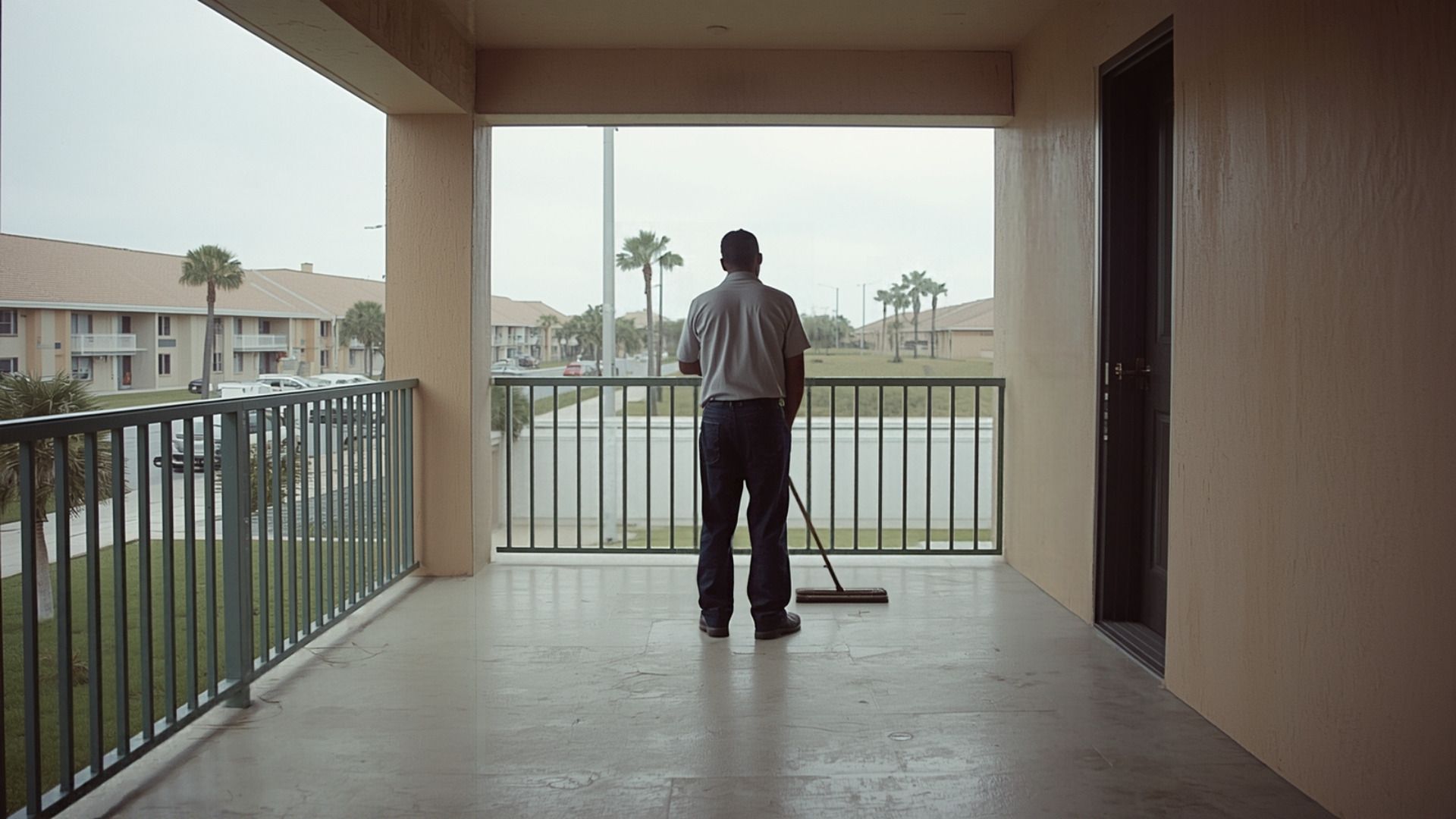
Short answer: most Florida communities clean high-traffic interior spaces between two and five times a week, amenity buildings once or twice a week, and the grounds weekly. But frequency is set by how heavily a space is used, not by how large the property is — which is why a 60-unit building can need more service than a 200-home community.
There is no statute setting a cleaning schedule. It is a board judgement, and the useful version of that judgement is made space by space rather than as one number in a contract.
Traffic sets frequency, not square footage
The instinct is to scale cleaning to the size of the property. It is the wrong variable. What drives soiling is how many people cross a surface and what they carry on their feet.
A single elevator lobby in a 12-storey building absorbs more foot traffic in a day than a quarter mile of sidewalk in a single-family HOA. A fitness room with 40 regular users needs more attention than a clubhouse that hosts two events a month. Scope the schedule from use, and the budget tends to land in the right places on its own.
The corollary matters too: a community can be spending plenty on cleaning and still generate complaints, because the money is spread evenly across spaces that do not wear evenly.
A defensible starting schedule
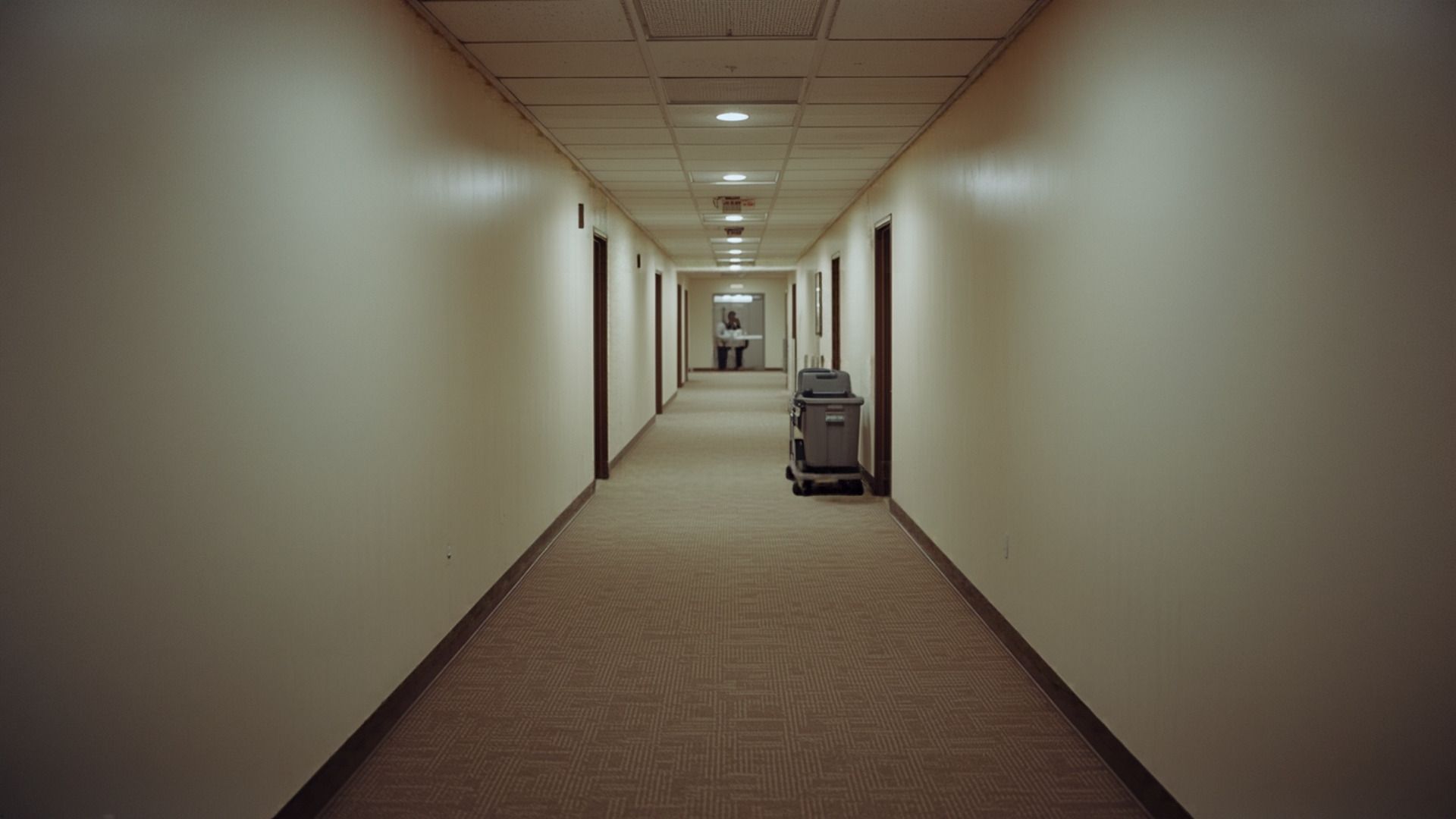
Daily to five times a week: lobbies and entry vestibules, elevator cabs and elevator lobbies, main corridors in high-rise buildings, and common restrooms. These are the surfaces residents judge the building by, and they show wear within hours rather than days.
Two to three times a week: stairwells, secondary corridors, fitness rooms, mail and package rooms, and trash rooms. Fitness rooms are often under-served relative to how strongly residents feel about them.
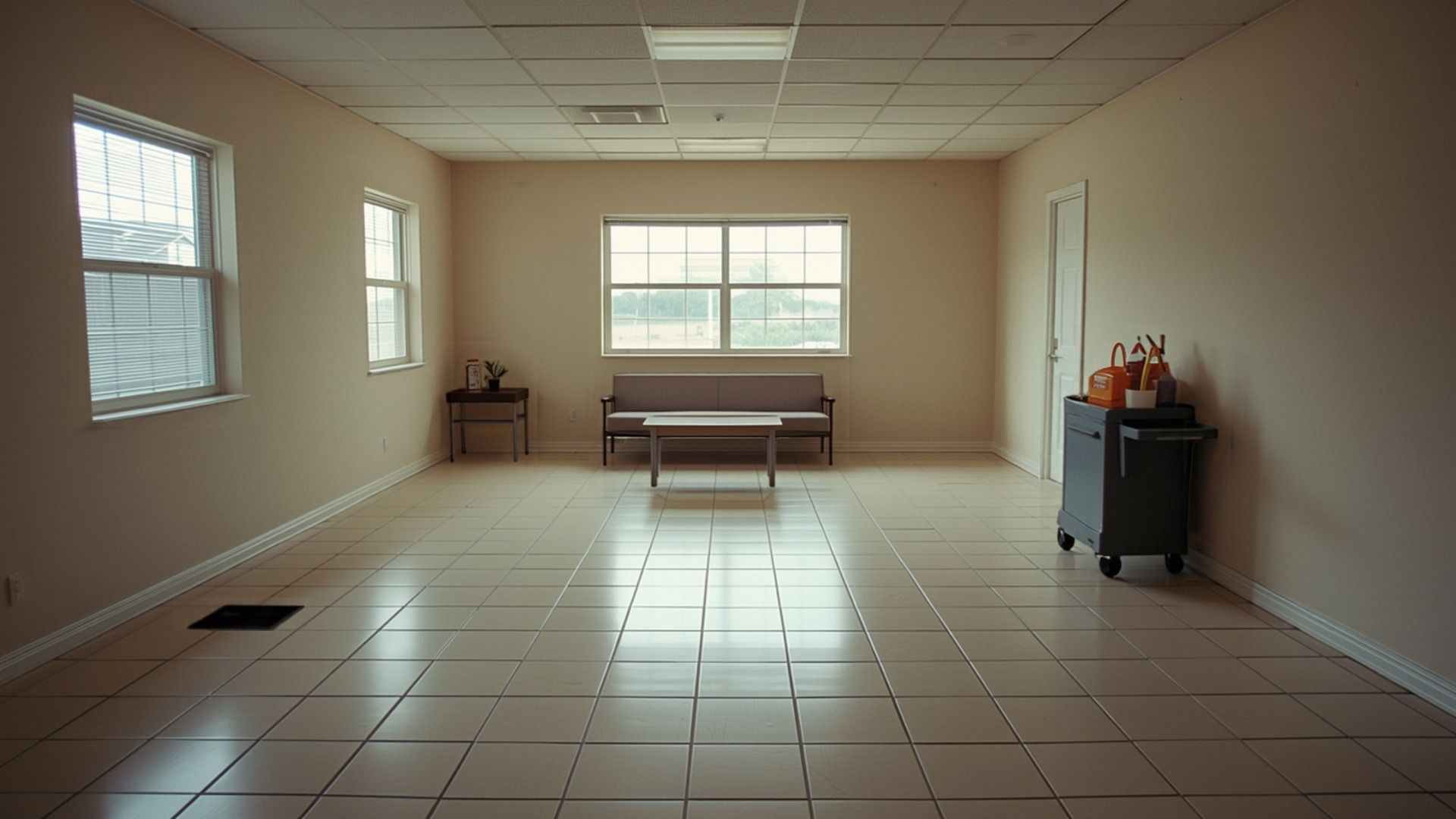
Weekly: clubhouses and amenity rooms in normal use, pool deck furniture and surrounds, grounds and litter sweeps, entry features and signage.
Monthly to quarterly: interior glass and partition cleaning, high dusting, light fixtures and vents, garage stairwell washdowns, and trash chute cleaning and deodorising.
Treat that as a starting point to argue with, not a specification. The right schedule for your property is the one that matches where your complaints actually come from.
What shifts the schedule in Florida
There is no off season. Communities further north get a genuine reprieve in winter when foot traffic falls and nothing is growing. Florida does not. Common areas are used year-round, and in much of the Gulf Coast occupancy rises between roughly November and April rather than falling.
That seasonal swing is worth planning around rather than absorbing. A beachfront or seasonal community running the same schedule in July as in February is either over-serving the summer or under-serving the season.
Heat changes the trash maths. Between May and October, a trash room that would be tolerable weekly elsewhere becomes a complaint generator in days. Heat and humidity accelerate odour faster than most boards expect, and the fix is usually frequency and washdowns rather than a different product.
Sand is its own problem on the coast. Beachfront buildings deal with wind-driven and tracked sand continuously in season. It is abrasive, so it dulls hard floor finishes, and it accumulates in door tracks, elevator thresholds and deck drains. Interior cleaning on a beachfront building often needs a cadence that looks excessive to anyone quoting from inland.
Hurricane season adds a layer. From June through November, grounds and drainage need checking more often, and the schedule should flex around storm prep and post-storm clearing rather than pretending the season is not happening.
The pool deck is a regulated surface, not just a cosmetic one. Florida community pools fall under the state's public pool rules in Chapter 64E-9 of the Florida Administrative Code. Rule 64E-9.004(3) states plainly that "the pool and pool deck shall be kept free from sediment, floating debris, visible dirt and algae." The Department of Health's inspection form goes further, checking that the deck is unobstructed by furniture, planters and hoses, and free of dirt, grass, algae and standing water. It also carries a separate sanitary facilities category covering restrooms.
Under Rule 64E-9.001, failing to meet these requirements constitutes a public nuisance dangerous to health, and under 64E-9.017 the department can close a pool immediately for certain conditions. That makes the pool deck the one common area in your building with an explicit legal cleanliness standard attached — everywhere else, condition is a matter of board judgement. Confirm your community's specific obligations with your county health department.
Consistency beats intensity
This is the point boards most often get wrong when trimming a cleaning budget.
A clubhouse cleaned thoroughly every other week reads worse to residents than one cleaned lightly every week. People do not perceive an absolute standard — they perceive drift. A space that looks good on Monday and tired by Thursday produces more complaints than a space that is consistently acceptable, even if the first one receives more labour overall.
If the budget has to come down, reduce scope deliberately rather than stretching intervals across everything. Cutting the fitness room from three visits to two is a decision. Moving everything from weekly to fortnightly is a decision too, but it is the one most likely to generate the emails that bring the subject back to the board.
Building type changes the answer
High-rise condominiums concentrate everything. Elevators, corridors, trash chutes and a single lobby carry the whole building's traffic, so interior frequency runs high and the chute becomes a scheduled item rather than an afterthought.
Garden-style and mid-rise condominiums spread the load across breezeways and exterior stairwells, which shifts weight from interior cleaning toward exterior washdowns and drainage.
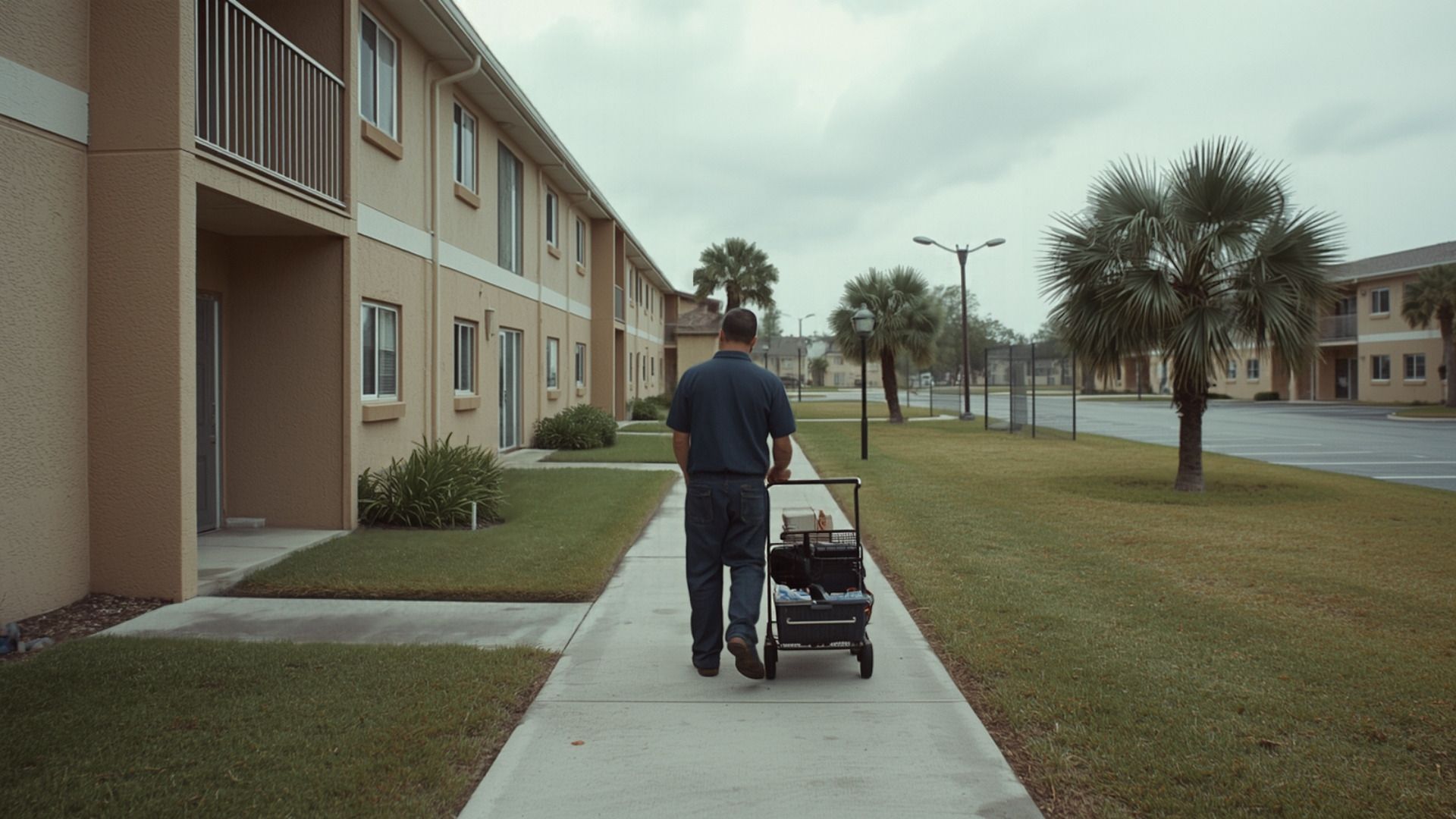
Single-family and townhome HOAs usually have one amenity building and a lot of ground. The clubhouse and pool restrooms need real frequency; the rest is grounds work on a weekly rhythm.
How to have the budget conversation
Frequency is the main lever on cost, which makes it the first thing a board reaches for. Before pulling it, it is worth knowing which spaces generate your complaints. Most associations find that a small number of surfaces account for the majority of what residents raise — typically the lobby, the elevator, the fitness room and the trash area.
Protect those, and take reductions elsewhere. A contract scoped space by space makes that possible. A contract that says "common areas cleaned weekly" does not, because there is nothing in it to adjust selectively.
Where Ally Property Service fits
We clean common areas for condominium associations and HOAs across Tampa Bay and the Gulf Coast on recurring schedules, and we scope by space rather than by a flat frequency.
Practically that means walking the property, asking where the complaints come from, and building a schedule that puts frequency where the wear actually is. It also means saying when we think a space is being over-served, because a schedule a board cannot defend at budget time is not a schedule that survives.
Frequently asked questions
How often should condo common areas be cleaned?
Most Florida condominium communities clean lobbies, elevators and common restrooms daily to five times a week, stairwells and fitness rooms two to three times a week, and amenity rooms weekly. Frequency is driven by foot traffic rather than building size.
How often should trash rooms and chutes be serviced?
Trash rooms generally need attention two to three times a week, rising in summer when heat accelerates odour. Trash chutes themselves need periodic cleaning and deodorising — typically quarterly — and a neglected chute is the most common source of a persistent smell residents cannot locate.
Is there a Florida law setting cleaning frequency for common areas?
No. Florida Statute 718.113(1) makes maintenance of the common elements the association's responsibility, but no statute prescribes how often cleaning must happen. Frequency is a board judgement. Pool decks are the exception to the condition standard rather than the frequency rule: Rule 64E-9.004(3) of the Florida Administrative Code requires that the pool and pool deck be kept free from sediment, floating debris, visible dirt and algae, which sets a standard for condition without specifying a schedule.
Should cleaning frequency change seasonally in Florida?
Usually yes. Many Gulf Coast communities see occupancy rise between November and April, and summer heat increases demand on trash areas. A schedule that flexes with occupancy and season generally serves a community better than a flat year-round frequency.
Our budget is tight. Where should we cut cleaning first?
Reduce scope deliberately rather than stretching every interval. Identify the few spaces that generate most resident complaints — commonly the lobby, elevator, fitness room and trash area — protect those, and take reductions elsewhere. Consistency matters more to residents than total labour.
Want a schedule you can defend at budget time?
Call (727) 609-2559 or request a walkthrough. We will scope your common areas space by space and build a schedule around where the wear actually is.
References
Statutory and rule text in this article was taken from the Florida Senate's published statutes and the Florida Administrative Code, and checked on 9 October 2026:
Fla. Stat. § 718.113(1) — maintenance of the common elements as the responsibility of the association.
Fla. Admin. Code R. 64E-9.001 — general provisions for public swimming pools and bathing places, including that failure to comply with the rules constitutes a public nuisance dangerous to health.
Fla. Admin. Code R. 64E-9.004(3) — operational requirements; "the pool and pool deck shall be kept free from sediment, floating debris, visible dirt and algae."
Fla. Admin. Code R. 64E-9.017 — enforcement, including immediate closure of a pool for specified conditions.
Florida Department of Health public swimming pool inspection form (DH 920) — deck condition and sanitary facility inspection items.
This article is general information for Florida community associations and is not legal advice. Cleaning frequencies given here are operational guidance, not legal requirements. Statutes and administrative rules are amended regularly and the version applying to your association may differ. Confirm current requirements with your county health department and your association attorney before relying on anything here.