Why emergency special assessments happen
Special assessments are sometimes unavoidable, but they’re rarely a sign of good planning. Most often, they result from deferred maintenance, underfunded reserves, or a lack of regular inspections. When a roof fails, a pipe bursts, or a safety mandate comes due, the board may have no choice but to levy a one-time charge on owners. This can create financial stress for residents and damage the board’s credibility.
Florida law requires associations to maintain common areas and make repairs as needed—regardless of whether the money is in the budget. There’s no exemption for financial hardship. Delaying repairs or ignoring warning signs only increases the eventual cost and risk.
The case for preventive maintenance
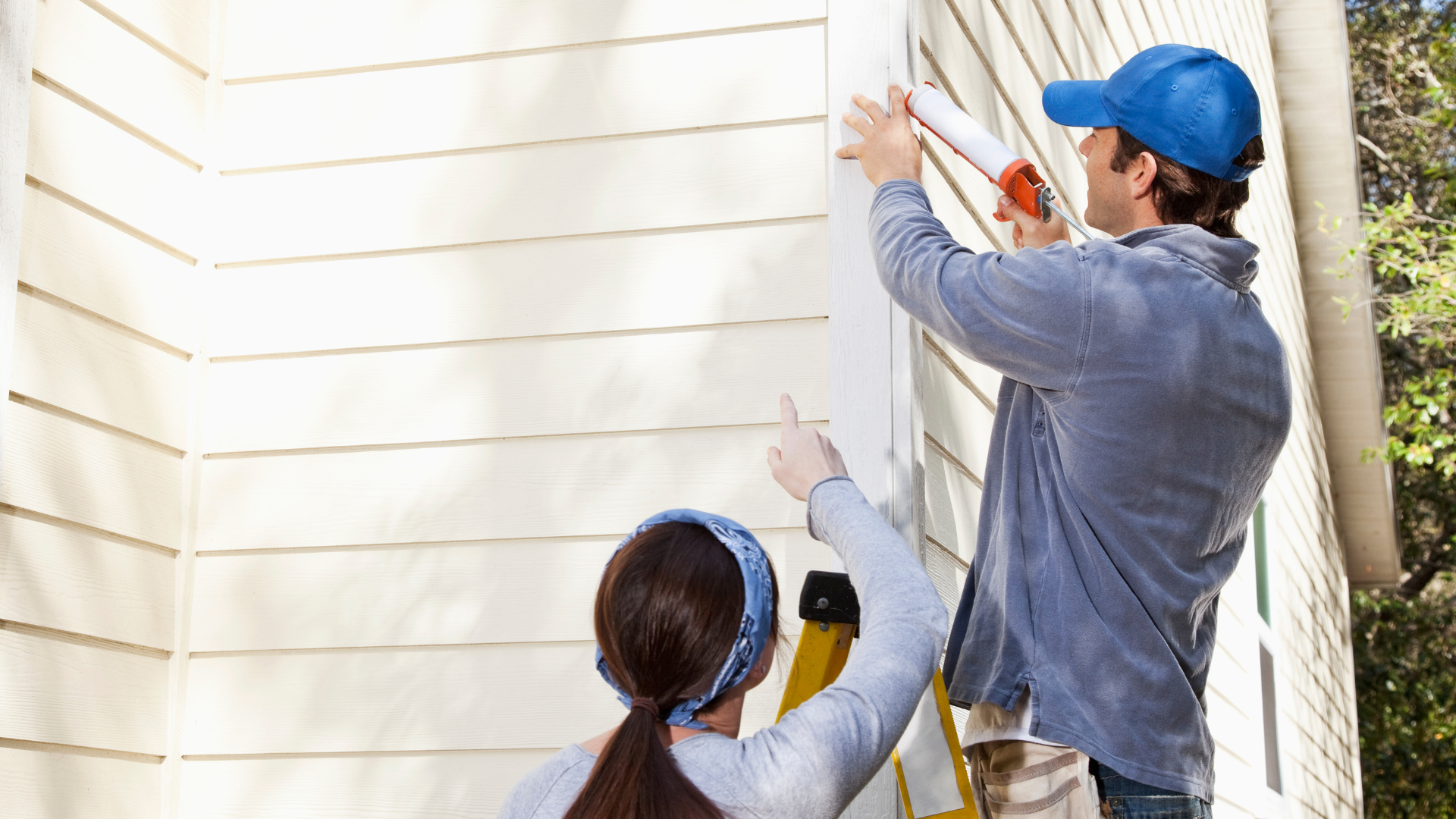
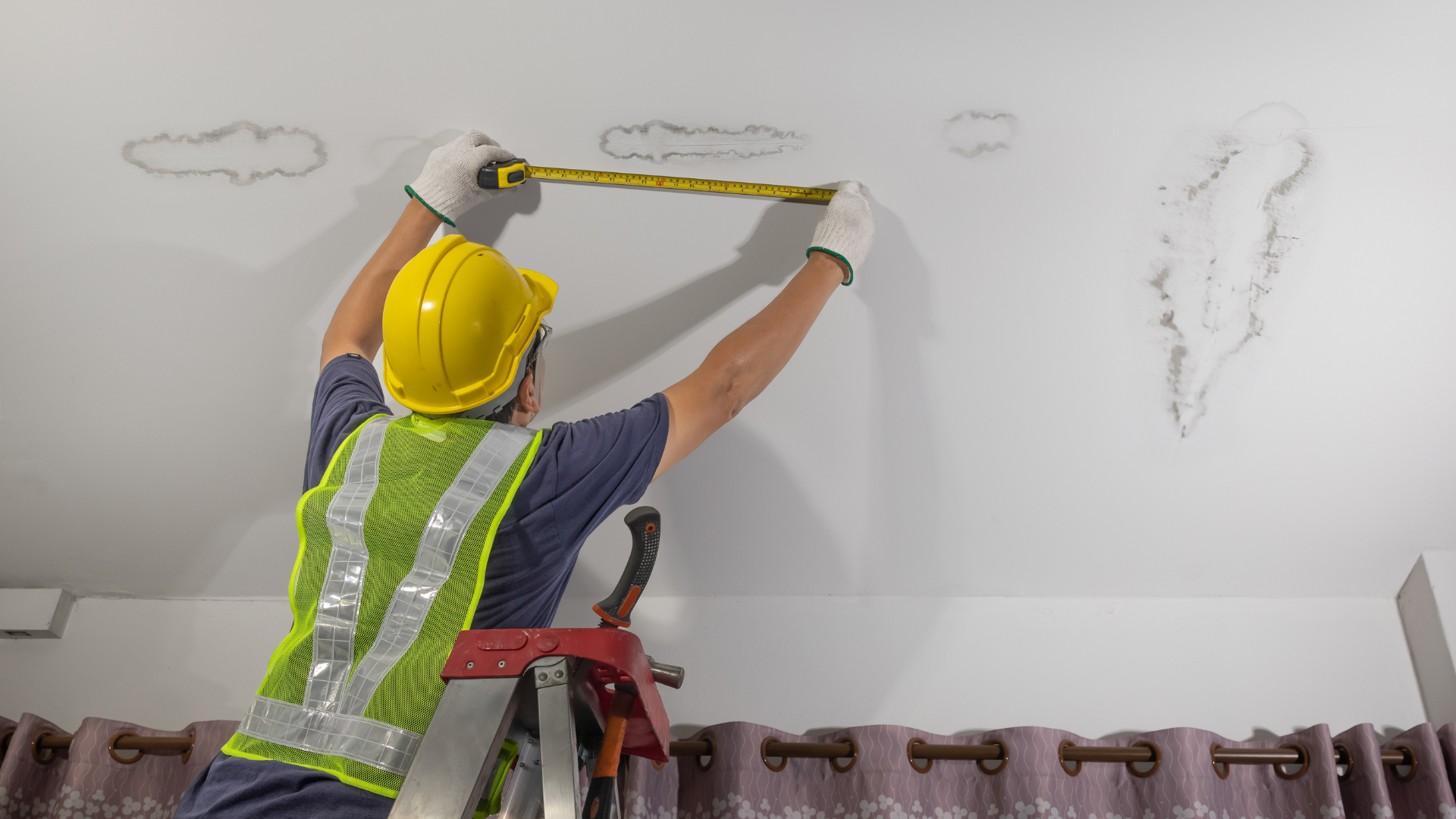
Preventive maintenance is the board’s best tool for avoiding emergencies. Regular inspections and timely repairs keep small issues from becoming big ones. For example, fixing a minor roof leak now is far less expensive than replacing water-damaged trusses and drywall later. The same logic applies to plumbing, electrical systems, and building exteriors.
A well-maintained property also preserves home values and reduces liability. Owners are more likely to support the board’s decisions when they see that assessments are being used wisely and that the community looks cared for.
Preventive maintenance schedules should be tailored to your property’s unique needs. For example, coastal communities may need more frequent exterior painting and window inspections due to salt exposure, while older buildings might require regular checks of plumbing and electrical systems. Many boards find it helpful to create a maintenance calendar that outlines tasks by month and season, ensuring nothing falls through the cracks.
Inspections: catching problems before they escalate
Routine inspections are the backbone of any effective maintenance program. These should include:
- Annual roof and exterior checks
- Regular HVAC servicing
- Plumbing and electrical system reviews
- Safety equipment inspections (fire extinguishers, alarms, AEDs)
- Common area walk-throughs for trip hazards, lighting, and cleanliness.
Consider hiring licensed professionals for critical systems. While board members and volunteers can spot obvious issues, a qualified inspector will catch problems that aren’t visible to the untrained eye. Document all findings and create a plan for addressing any deficiencies.
Reserve planning: your financial safety net
A healthy reserve fund is the difference between a manageable repair and a budget
crisis. Florida law requires associations to budget for reasonably anticipated costs—not just what the board hopes to spend. Underfunded reserves are a red flag for both owners and prospective buyers.
Boards should:
- Conduct regular reserve studies (every 3–5 years is a common best practice)
- Update funding plans as costs and building conditions change
- Avoid using reserves for day-to-day operating expenses
- Communicate reserve status and plans clearly to owners.
Incremental increases in assessments are easier for residents to absorb than sudden, large hikes. Steady funding also demonstrates responsible stewardship and can help maintain property values.
If your last reserve study is more than five years old, schedule a new one. Construction costs, inflation, and regulatory changes can all impact your funding needs. Many boards also find value in consulting with a reserve specialist or property manager to ensure their plan is realistic and up to date.
Communication: keeping owners in the loop
No one likes surprises—especially when they come with a price tag. Boards that communicate openly about maintenance needs, reserve funding, and upcoming projects build trust and reduce pushback when assessments do need to increase.
Best practices include:
- Sharing inspection results and maintenance schedules with owners
- Explaining the rationale behind reserve contributions and assessment changes
- Providing advance notice of major repairs or projects
- Hosting Q&A sessions or town halls to address owner concerns
Transparency is especially important when the board is considering a special assessment. Explain what led to the need, what alternatives were considered, and how the funds will be used. Owners are more likely to support the board’s decision when they understand the context.
Practical steps for your board
- Review your current maintenance plan and update it as needed.
- Schedule regular inspections and document all findings.
- Commission a reserve study if you haven’t done one recently.
- Set aside funds for both routine and long-term repairs.
- Communicate openly and frequently with owners about the association’s financial health and upcoming needs.
Consider forming a maintenance or finance committee to help oversee these efforts. Involving more owners can increase buy-in and spread the workload.