Storm preparation starts months before landfall
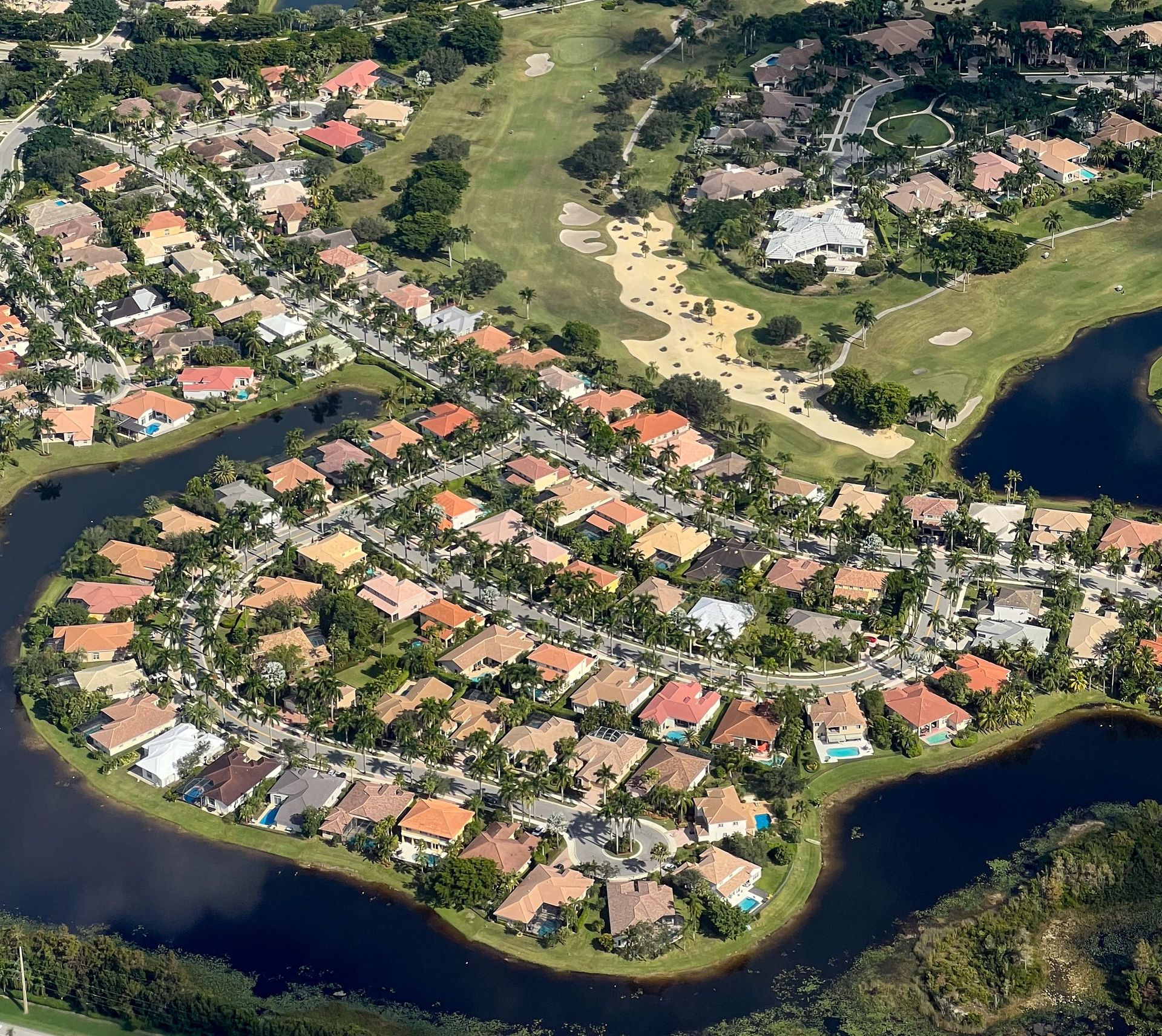
Boards and managers who wait until a hurricane is approaching often face vendor shortages, higher costs, and longer recovery times. The most effective hurricane plans are built and communicated well before the first storm forms in the Atlantic. Early action gives your community the best shot at securing supplies, scheduling vendors, and making sure every resident knows what to expect.
Build and update your emergency plan
A hurricane plan isn’t just a document—it’s a living system that guides your board, staff, and residents through every phase of a storm. Review and update your plan annually, ideally before hurricane season begins in June. Your plan should include:
- Emergency contact information for board members, management, vendors, and local emergency services
- Clear responsibilities for board, management, and residents
- Checklists for pre-storm, during-storm, and post-storm actions
- Communication protocols for every stage
- Evacuation routes and shelter information
- Procedures for securing common areas and amenities
- Insurance policy details and claim procedures
Consider including a section on special needs residents and pet evacuation plans. Assign a board member or committee to review the plan with your management company and legal counsel each spring.
Communicate early, often, and across every channel
Don’t assume residents will remember last year’s plan or know what to do. Use every available channel—email, text alerts, newsletters, your community website, and posted notices—to share hurricane preparation steps and updates. Seasonal residents and new owners may need extra reminders or direct outreach. Make sure everyone knows:
- Where to find the emergency plan
- Who to contact in an emergency
- When to install or remove shutters
- What to do with outdoor furniture and vehicles
- How to report damage or request help
Host a pre-season town hall or virtual Q&A to walk residents through the plan and answer questions. This builds trust and reduces confusion when a storm is imminent.
Secure vendors and supplies before the rush
Vendor contracts and supply orders should be finalized months before hurricane season. Waiting until a storm is named can leave your community at the back of the line for tree trimming, debris removal, generator service, and emergency repairs. Key steps:
- Confirm contracts with landscapers, restoration companies, and security providers
- Schedule pre-season tree pruning and gutter cleaning
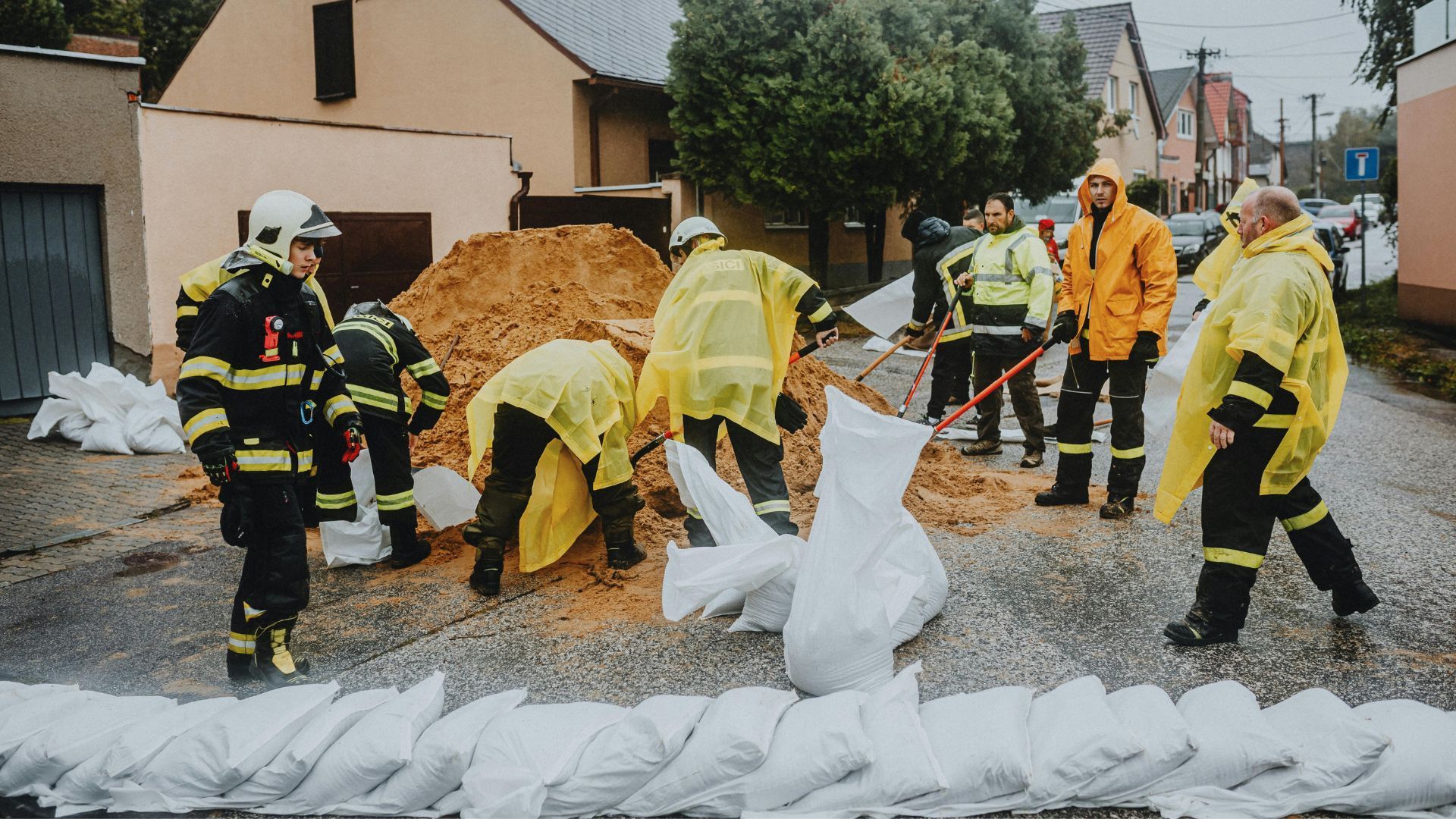
- Stockpile essential supplies: plywood, sandbags, tarps, batteries, and fuel
- Update your list of preferred vendors and backup contacts
Ask vendors about their own hurricane plans and whether they operate in evacuation zones. Identify at least one backup for each critical service.
Protect your association’s records and assets
Storms don’t just threaten buildings—they can wipe out records, data, and financial information. Take these steps to safeguard your association’s operations:
- Back up all digital files to the cloud or an offsite server
- Store hard copies of insurance policies, vendor contracts, and owner contact lists in a water-resistant container
- Photograph and video all common areas and assets before storm season for insurance documentation
- Review insurance policies for coverage gaps and update contact information for your agent
Consider designating a board member to be responsible for records continuity and insurance claims coordination.
Prepare your property and common areas
Physical preparation can make a major difference in storm damage and recovery time. Your checklist should include:
- Securing or storing outdoor furniture, pool equipment, and signage
- Shuttering windows and doors in common areas
- Shutting down pools, elevators, and non-essential systems as needed
- Checking and fueling generators
- Clearing drains, gutters, and retention areas to prevent flooding
Assign specific tasks to staff or volunteers, and create a timeline for completion. Document who is responsible for each action.
Keep communication lines open during and after the storm
Even if power and internet go down, residents need updates. Prepare to use physical notices, battery-powered radios, or ham radio operators if needed. After the storm, communicate:
- Safety warnings (downed power lines, unsafe water, elevator outages)
- Status of repairs and cleanup
- How to report damage or request assistance
- When it’s safe to return or resume normal activities
Set up a phone tree or emergency text group for board members and key staff to coordinate response efforts.
Document damage and start the recovery process
Once it’s safe, begin documenting all damage before making repairs. This is critical for insurance claims and FEMA assistance. Steps include:
- Take photos and videos of all affected areas
- Contact your insurance provider immediately
- Keep receipts for all emergency repairs and cleanup
- Coordinate with vendors for debris removal and restoration
- Communicate progress and next steps to residents regularly
Consider appointing a “damage assessment team” of board members and staff to ensure nothing is missed.
Review and improve your plan after every storm
Every hurricane is a learning opportunity. After the season, hold a debrief with your board, management, and residents. What worked? What didn’t? Update your plan and vendor lists based on real experience. This cycle of review and improvement is what separates resilient communities from those that repeat the same mistakes.