Short answer: in a Florida condominium, maintaining the common elements is the association's responsibility. Florida Statute 718.113(1) states that "maintenance of the common elements is the responsibility of the association," with one exception that causes nearly every argument a board will have on this subject — limited common elements whose maintenance the declaration assigns to the unit owner.
So the lobby, the stairwell and the pool deck are the association's. The screened lanai attached to unit 304 may not be. Knowing which is which before you scope a cleaning contract is what keeps the question off your agenda.
What the statute actually says
Section 718.113(1) is short and unambiguous on the default. Maintenance of the common elements is the association's responsibility, and the association "shall provide for the maintenance, repair, and replacement of the condominium property for which it bears responsibility pursuant to the declaration of condominium."
Two things follow from that wording. The association cannot quietly push routine common-element upkeep onto owners because a budget is tight — the duty sits with the association by default. And the declaration is the document that defines the edges of that duty, which is why two buildings on the same street can have genuinely different answers.
Limited common elements: where the disputes start
A limited common element is common property reserved for the use of one unit or a group of units. Balconies, screened lanais, assigned parking spaces, storage cages and the air handler closet serving a single unit are typical examples.
The statute carves these out only where the declaration assigns that maintenance responsibility to the owner. That is the clause worth reading carefully, because declarations split it in different ways. Some assign the whole burden to the owner. Some keep structural repair with the association while leaving routine cleaning to the owner. Some are silent, which usually means the association's default duty stands.
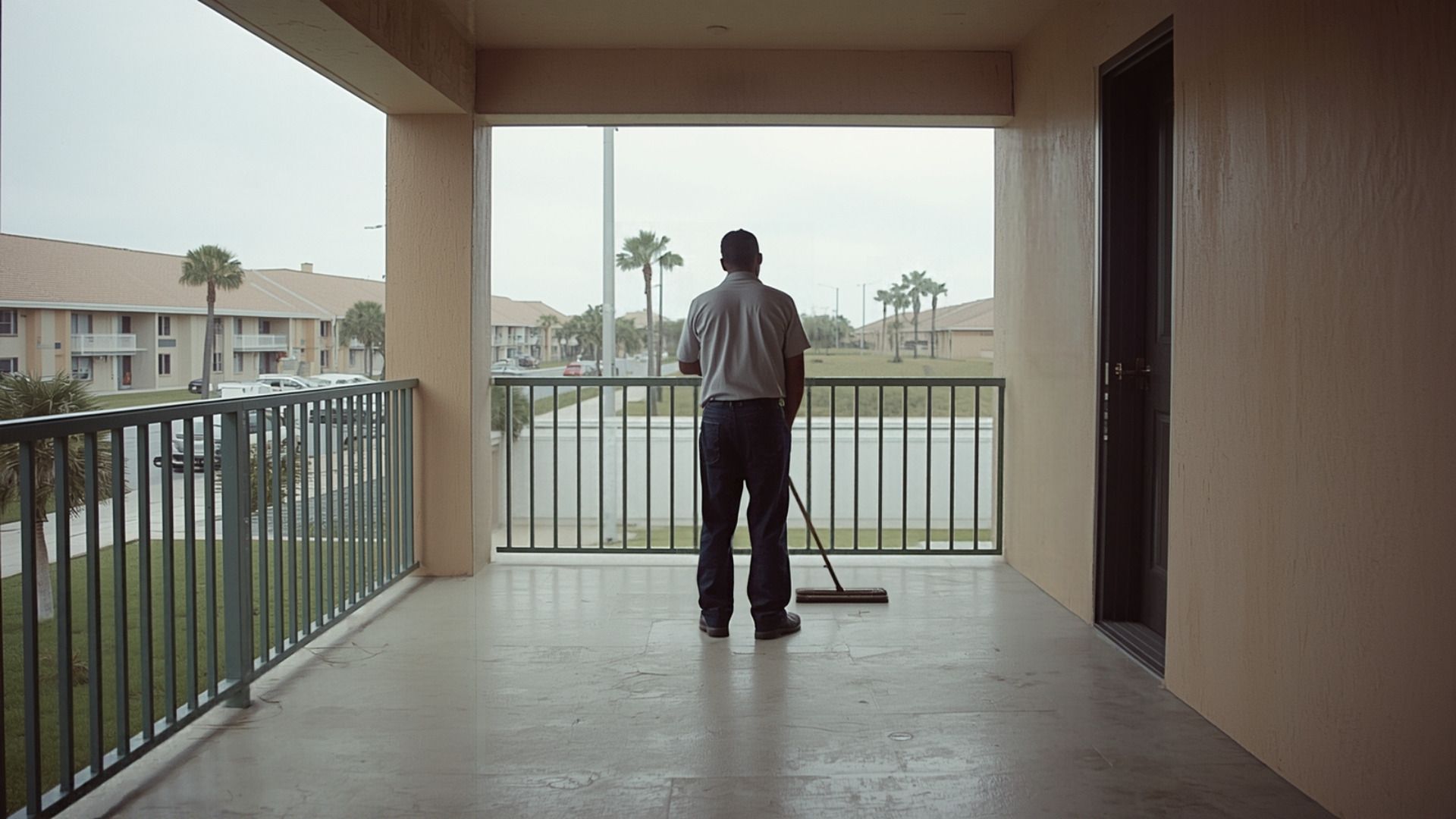
The practical consequence for a cleaning programme is simple. If your contractor is pressure washing balconies that the declaration assigns to owners, the association is paying for work it does not owe. If it is skipping breezeways that are plainly common elements because someone assumed they were limited, residents are paying assessments for a service they are not getting.
Homeowners associations work differently
If you are an HOA under Chapter 720 rather than a condominium under Chapter 718, there is no equivalent blanket statutory rule. Responsibility for common areas is set by your declaration of covenants and the governing documents, not by a single statutory sentence.
In practice HOA common areas tend to be the spaces between buildings rather than parts of buildings — entry features, perimeter walls, sidewalks, clubhouses, pools and common landscaping. The association almost always holds those. The ambiguity in an HOA usually appears at the lot line rather than at a balcony rail.
Where the lines usually fall
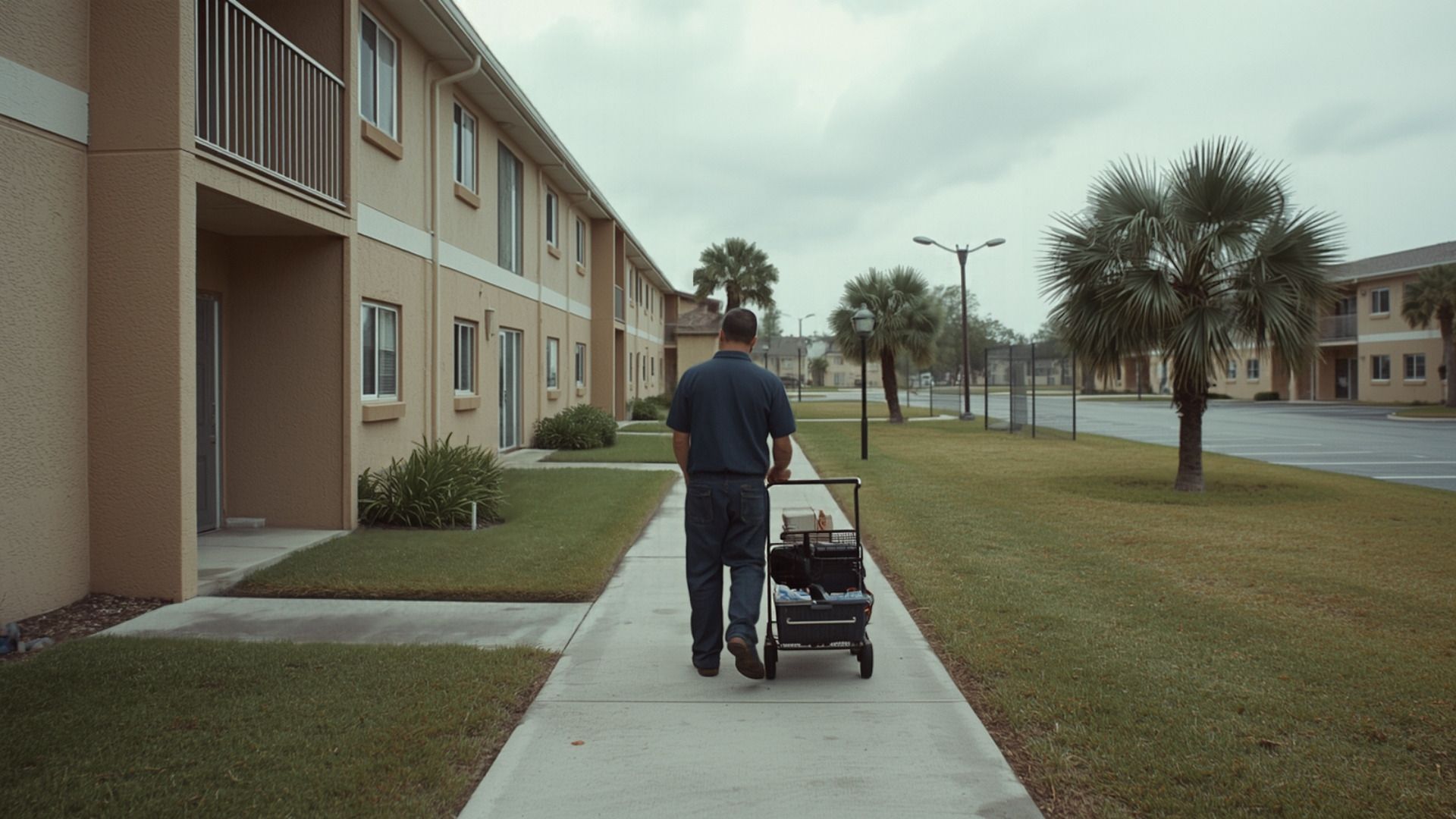
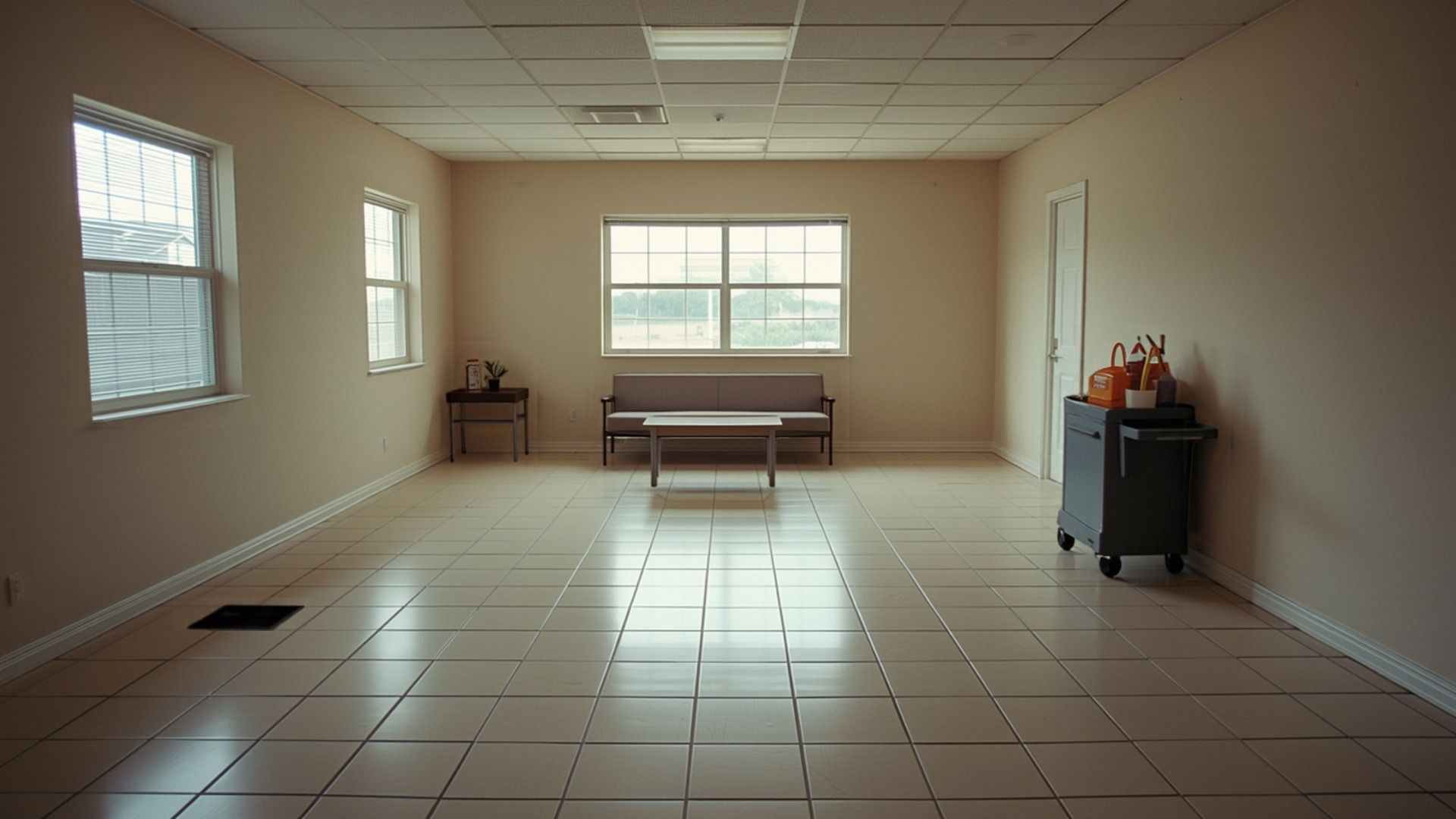
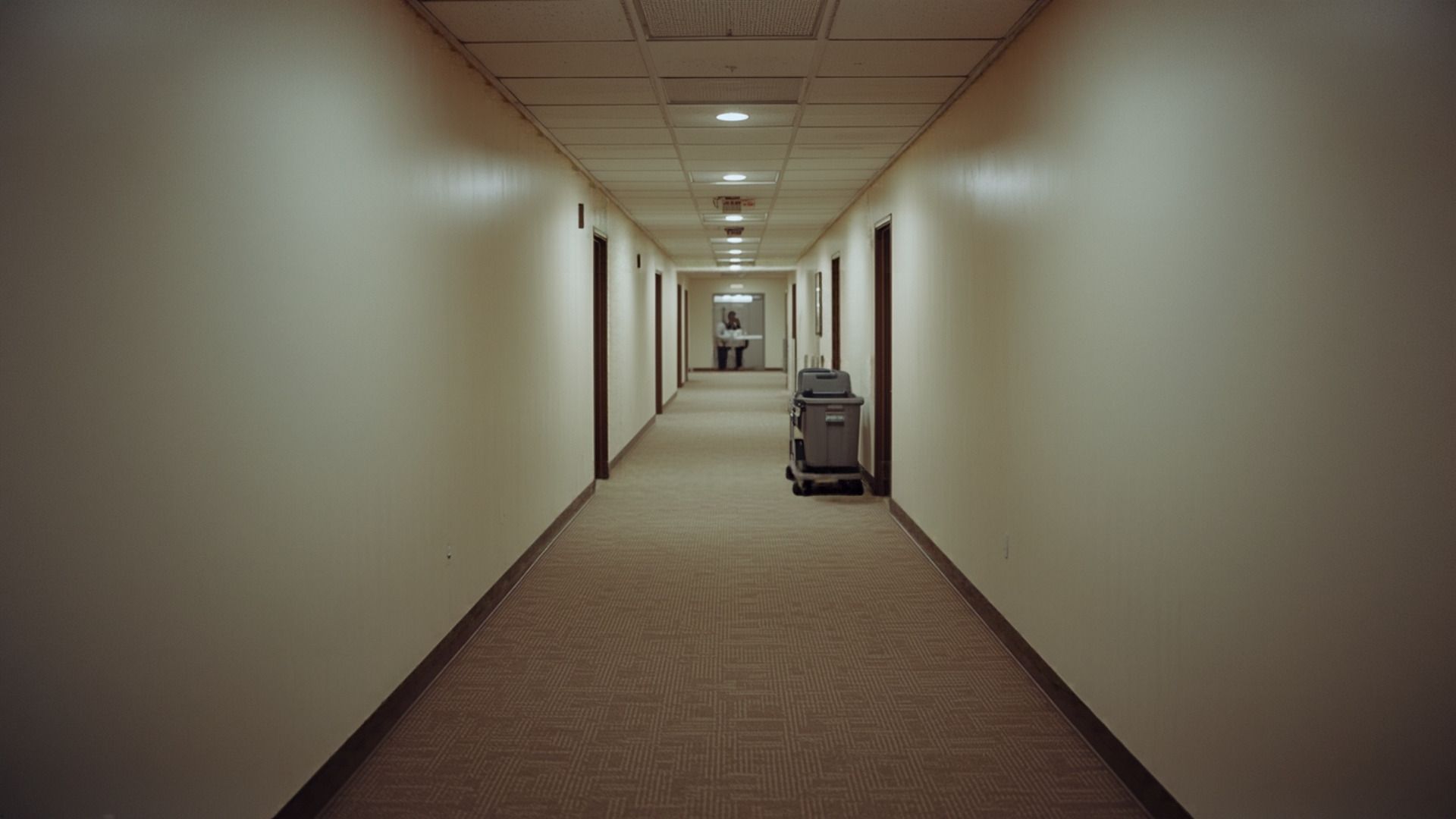
Almost always the association: lobbies and entry vestibules, elevators and elevator lobbies, corridors and breezeways, stairwells, trash rooms and chutes, the pool deck and pool restrooms, the fitness room, the clubhouse, parking garage drive aisles, exterior walkways and the grounds.
Frequently limited common elements, so check the declaration: balconies and terraces, screened lanais, assigned parking spaces, storage cages, entry doors and door hardware, windows and screens, and the HVAC closet serving a single unit.
Always the owner: everything inside the unit boundary as the declaration defines it.
Treat that as a starting hypothesis rather than an answer. Your declaration governs, and declarations drafted in the 1970s often use language that does not map neatly onto how the building is used today.
Why this matters when you scope a cleaning contract
Most association cleaning disputes are not really about cleaning standards. They are about scope that was never written down.
A contract that says "common areas cleaned weekly" invites an argument the first time a resident complains that their breezeway was missed or that their balcony was not pressure washed. A contract that lists the specific spaces, the frequency for each, and what is explicitly excluded does not.
Before going out to bid, we would suggest the board does three things. Pull the declaration and mark which spaces are common elements and which are limited common elements with owner-assigned maintenance. Walk the property and list every space a contractor would touch. Then decide, deliberately, whether the association will clean any limited common elements as a courtesy — some do, for consistency of appearance — and write that decision into the scope rather than leaving it to the crew on site.
That last point is worth dwelling on. An association can choose to clean limited common elements it does not strictly owe, and there are good reasons to, particularly on a building front where a mix of clean and dirty balconies looks worse than either. But doing it by accident, with no board decision and no line in the contract, is how an association ends up with a service it cannot stop providing without a fight.
Where Ally Property Service fits
We clean common areas for condominium associations and HOAs across Tampa Bay and the Gulf Coast — lobbies, corridors, stairwells, amenity rooms, trash areas and chutes, and the grounds and hardscape outside.
We are not your association attorney, and we will not tell you what your declaration means. What we will do is scope from the spaces rather than from a generic checklist, write what is included and excluded in plain terms, and flag anything that looks like a limited common element so the board can make the call before it becomes a resident complaint.
Frequently asked questions
Who is responsible for cleaning common areas in a Florida condo?
The association. Florida Statute 718.113(1) provides that maintenance of the common elements is the responsibility of the association, except for maintenance of limited common elements that the declaration assigns to the unit owner.
Is a balcony a common element or the owner's responsibility?
A balcony is usually a limited common element, and whether its maintenance falls to the owner or the association depends on what your declaration says. Declarations differ, and some split structural repair from routine cleaning. Read the declaration rather than assuming.
Can an association refuse to clean common areas to save money?
Not as a matter of routine upkeep. The statutory duty to maintain the common elements sits with the association, and deferring that duty tends to convert a predictable operating cost into a larger repair later. How often cleaning happens is a board judgement; whether the responsibility exists is not.
Does this apply to HOAs as well as condominiums?
No. Chapter 718 governs condominiums. Homeowners associations fall under Chapter 720, where responsibility for common areas is set by the declaration of covenants and the governing documents rather than by a blanket statutory rule.
What should a common area cleaning contract specify?
The specific spaces to be cleaned, the frequency for each, what is explicitly excluded, who supplies materials, insurance requirements, and the termination terms. Scope written by space rather than by generic category is what prevents most disputes.
Need your common areas scoped properly?
Call (727) 609-2559 or request a walkthrough. We will walk the property with you, scope by space, and tell you plainly where we think the declaration line sits so your attorney can confirm it.
References
Statutory text in this article was taken from the Florida Senate's published statutes, current as of the 2025 edition, and checked on 9 October 2026:
Fla. Stat. § 718.113(1) — maintenance of the common elements as the responsibility of the association, and the carve-out for limited common elements assigned to the unit owner by the declaration.
Fla. Stat. ch. 718 — the Condominium Act, which governs condominium associations.
Fla. Stat. ch. 720 — the chapter governing homeowners' associations, under which common area responsibility is set by the declaration of covenants rather than by a blanket statutory rule.
This article is general information for Florida community associations and is not legal advice. Your declaration governs, and your association attorney should confirm how these responsibilities apply to your building.