Property condition directly impacts resident satisfaction, board perception, and property values
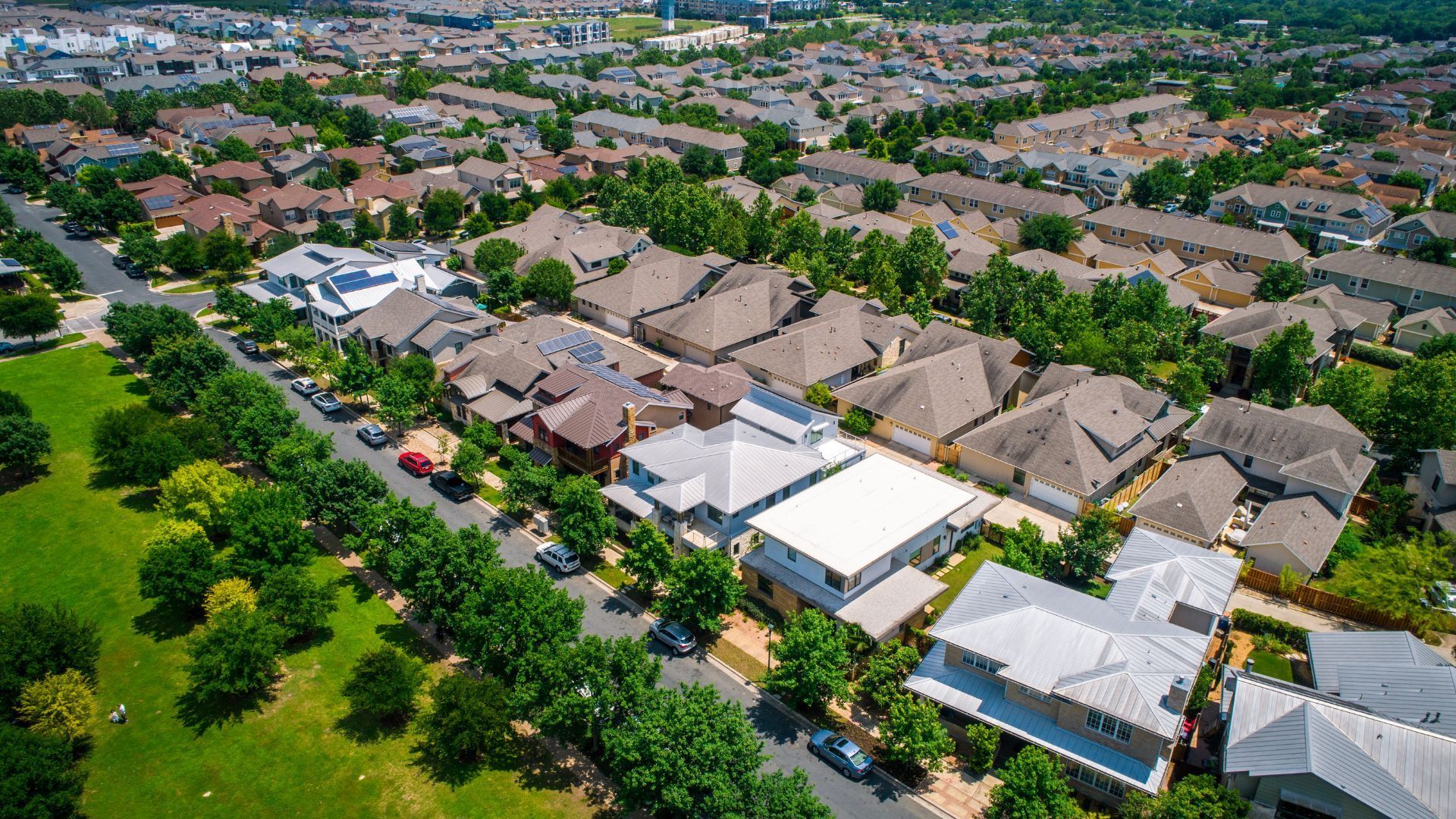
Ask any group of homeowners what matters most in their community, and appearance will land near the top. National surveys show that nearly nine in ten residents believe their board serves the community’s best interest, and the vast majority say that rules—especially those about appearance—protect and enhance property values. When asked about the best aspects of association living, residents consistently cite neighborhood attractiveness as the top reason they’re satisfied.
It’s not just about pride. A tidy, attractive neighborhood signals that the board is attentive and that residents care about their investment. This perception directly affects how current owners feel and how potential buyers judge the community. If the landscaping is overgrown, paint is peeling, or common areas look neglected, satisfaction drops—and so do home values.
Curb appeal: The first impression that lasts
People judge with their eyes first. Whether it’s a prospective buyer driving through or a longtime resident coming home, the look of the property sets the tone. Boards that prioritize curb appeal—through landscaping, clean walkways, and well-maintained amenities—see higher satisfaction and fewer complaints.
Simple upgrades can make a big difference. Fresh mulch, trimmed shrubs, and seasonal flowers create a welcoming entrance. Even small touches, like repainting entry signs or power-washing sidewalks, show that the board is invested in the community’s appearance. These efforts don’t just attract new homeowners—they help retain the ones you already have.
Maintenance isn’t just about looks—it’s about safety and trust
A well-maintained property does more than look good. It keeps residents safe and reassures them that their dues are being put to good use. Overgrown landscaping, broken lights, or cluttered common areas can invite crime and accidents. Boards that stay on top of maintenance send a clear message: “We care about your safety and your investment.”
Routine groundskeeping—mowing lawns, trimming trees, and picking up debris—reduces the risk of burglaries and vandalism. Smart lighting, especially motion-sensor floodlights, can deter unwanted visitors without making the property feel harsh or unwelcoming. Clean, tidy grounds also encourage residents to take pride in their own homes, creating a positive feedback loop.
Appearance rules: Striking the right balance
Most residents agree that some rules are necessary to keep the community looking its best. But boards can run into trouble if they overreach or enforce standards inconsistently. The key is to set clear, reasonable guidelines for things like exterior paint colors, landscaping, and home modifications—and to apply them fairly.
When rules are transparent and enforcement is consistent, residents are more likely to comply and less likely to complain. Boards should also be open to feedback and willing to revisit policies that no longer fit the community’s needs. Flexibility—within reason—helps keep satisfaction high without sacrificing appearance standards.
Upgrades that pay off: Where to focus your efforts
Not every improvement needs to be a major renovation. Some of the most effective upgrades are also the simplest:
Refreshing entryways with new signage or lighting
Updating landscaping with native, low-maintenance plants
Repainting common area structures and fences
Repairing sidewalks and driveways
Adding or improving community gathering spaces, like benches or small parks
For individual homes, encourage owners to keep up with exterior maintenance and offer guidance on approved upgrades. Boards can even organize community clean-up days or partner with local vendors for group discounts on services like pressure washing or gutter cleaning.
The board’s role: Leadership by example
Residents take their cues from the board. When directors walk the property, greet neighbors, and respond promptly to maintenance requests, it builds trust and encourages others to pitch in. Boards that are visible and accessible—rather than distant or reactive—see higher engagement and satisfaction.
Transparency matters, too. Share updates on maintenance projects, explain how appearance standards are set, and invite resident input on future improvements. When people feel heard and see results, they’re more likely to support the board’s efforts and less likely to grumble about dues or rules.
Adapting to changing expectations
Today’s residents expect more than just basic upkeep. They want communities that feel modern, sustainable, and welcoming. Boards can meet these expectations by exploring eco-friendly landscaping, investing in energy-efficient lighting, and creating spaces that encourage social interaction. Even small steps—like adding recycling bins or planting pollinator gardens—can make a difference in how residents perceive their community.
Measuring satisfaction and staying proactive
Don’t wait for complaints to find out how residents feel. Consider periodic surveys or informal check-ins to gauge satisfaction with property appearance and maintenance. Use this feedback to prioritize projects and adjust standards as needed. Staying proactive helps prevent small issues from becoming big problems—and shows residents that their opinions matter.