Why deferred maintenance is so dangerous
Every building system—roofs, plumbing, elevators, concrete, paint, pools—deteriorates over time. When boards delay addressing warning signs, costs rise and insurance risk grows. What starts as a minor leak or a patch of peeling paint can quickly escalate into structural damage, water intrusion, or safety hazards that require emergency repairs.
Deferred maintenance doesn’t just threaten the physical property. It can also erode trust between the board and owners, drive up insurance premiums, and even lower property values. Prospective buyers notice when a community looks tired or neglected, and lenders may hesitate to finance units in buildings with obvious deferred repairs.
Putting off maintenance may appear to save money, but often results in exponentially higher repair costs later
It’s tempting to skip a roof inspection or delay repainting when the budget is tight. But the math rarely works out in the board’s favor. Labor and material costs tend to increase every year, so the same project will cost more next season. Worse, small problems left unaddressed can cause additional damage—turning a $5,000 repair into a $50,000 replacement.
Boards sometimes justify deferral by pointing to financial hardship or hoping for a better year ahead. But Florida law doesn’t allow associations to ignore required maintenance due to lack of funds. Statutes require HOAs and condos to maintain and repair common areas, regardless of budget constraints. Delaying necessary work can even become a breach of fiduciary duty for board members.
The hidden costs: insurance, safety, and owner morale
When maintenance is deferred, insurance companies take notice. Properties with visible neglect or known issues may face higher premiums or even lose coverage. Insurers see deferred maintenance as a sign of increased risk—especially in Florida, where weather and humidity accelerate deterioration.
Safety is another concern. Unrepaired balconies, elevators, or stairwells can create liability for the association if someone is injured. Boards have a duty to implement best practices to extend the useful life of principal building components, and ignoring this responsibility can expose the association to lawsuits.
Finally, deferred maintenance can sap owner morale. Residents notice when common areas look shabby or repairs drag on. This can lead to more complaints, lower participation in meetings, and even higher delinquency rates as owners question how their dues are being used.
How deferred maintenance wrecks the budget
When a board finally addresses a long-deferred project, the cost often exceeds what’s available in reserves. This forces the association to consider special assessments or loans—both of which create financial stress for owners. Special assessments are rarely popular, and large one-time increases can trigger owner anger or even legal challenges.
Underfunded reserves are a common culprit. Many associations set aside too little each year, hoping to avoid raising dues. But this approach only postpones the pain. When the bill comes due, current owners pay for years of underfunding, and the association’s reputation can take a hit.
Proactive planning: the antidote to deferred maintenance
The best way to avoid the deferred maintenance trap is to build a culture of proactive planning. This starts with an annual maintenance map—listing projects by urgency, safety impact, cost, and seasonal timing. By tracking recurring tasks (like pressure washing, HVAC service, roof checks, and waterproofing), boards can keep conditions stable and protect long-term property value.
A thorough reserve study is essential. This study estimates the cost and timing of major repairs and replacements over the next 20 to 30 years. Boards should update their reserve study annually and adjust funding as needed. Florida law requires condo associations to include reserves for capital expenditures and deferred maintenance in their annual budget, and allows for waivers only by majority vote.
Budgeting for maintenance: practical steps
- Prioritize projects: List all repair and maintenance needs, then rank them by urgency and safety. Tackle high-risk items first, even if it means postponing cosmetic upgrades.
- Get real estimates: Don’t guess. Call vendors for updated quotes and factor in likely price increases for labor and materials.
- Leave room for surprises: Build contingency into your budget for unexpected expenses. Even the best plans can’t predict every leak or breakdown.
- Fund reserves consistently: Set aside at least 20% of annual income for reserves, and review your reserve study each year to ensure you’re on track.
- Communicate with owners: Transparency builds trust. Share the reasoning behind maintenance priorities and reserve contributions in newsletters and meetings.
When emergencies strike: special assessments and emergency planning
Even with the best planning, emergencies happen. Florida law allows boards to levy emergency assessments for significant, unanticipated expenses, but this must be accompanied by a written board resolution explaining the need to owners. Emergency protocols—posted near major equipment and shared with residents—help ensure a quick response and minimize damage.
Supplement: Warning signs your board shouldn’t ignore
Deferred maintenance rarely announces itself with a flashing red light. Instead, look for these early warning signs:
- Water stains on ceilings or walls
- Cracks in concrete or stucco
- Doors or windows that stick or won’t close properly
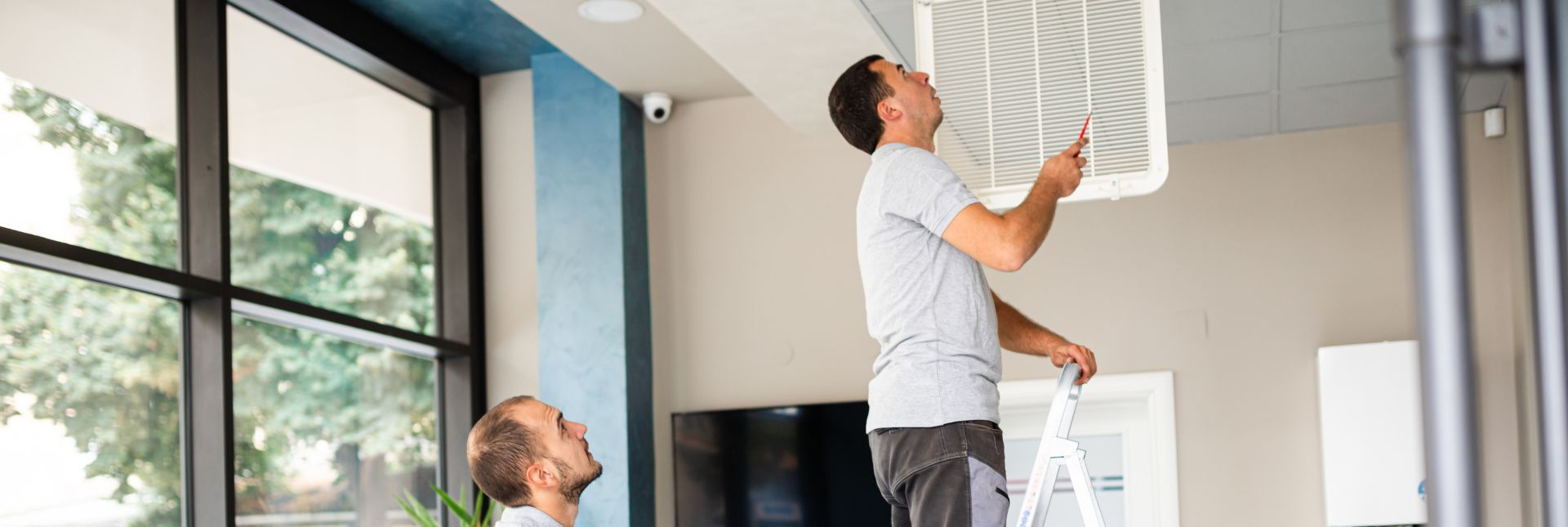
- Unusual noises from elevators or HVAC systems
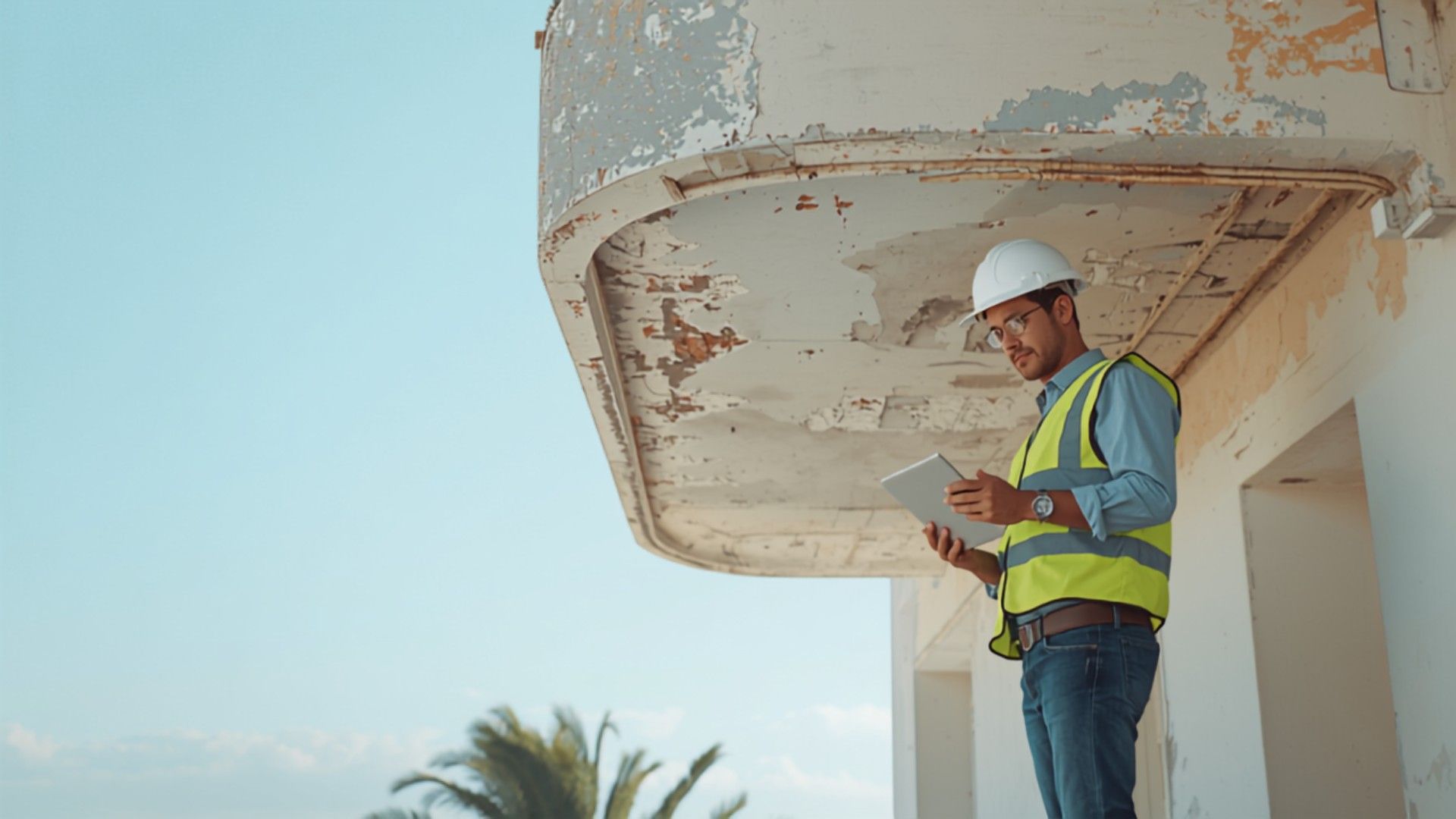
- Peeling paint or rust on exterior surfaces
Addressing these issues early can prevent much larger problems down the road.
Supplement: Building a maintenance culture
Encourage owners to report issues promptly and reward vendors who spot and document potential problems. Consider scheduling regular “walk-arounds” with your manager to catch small issues before they grow. A culture of vigilance pays off in lower costs and fewer surprises.