The most expensive repair is usually the one nobody saw coming. So what's the real cost of deferred maintenance?
In Florida’s climate, roofs, HVAC systems, plumbing, and other building components face relentless wear. When boards wait until something breaks, the result is often a scramble involving emergency calls, premium pricing, and sometimes, collateral damage that could have been avoided. Deferred maintenance doesn’t just hit the wallet; it can also drive up insurance costs and erode resident trust.
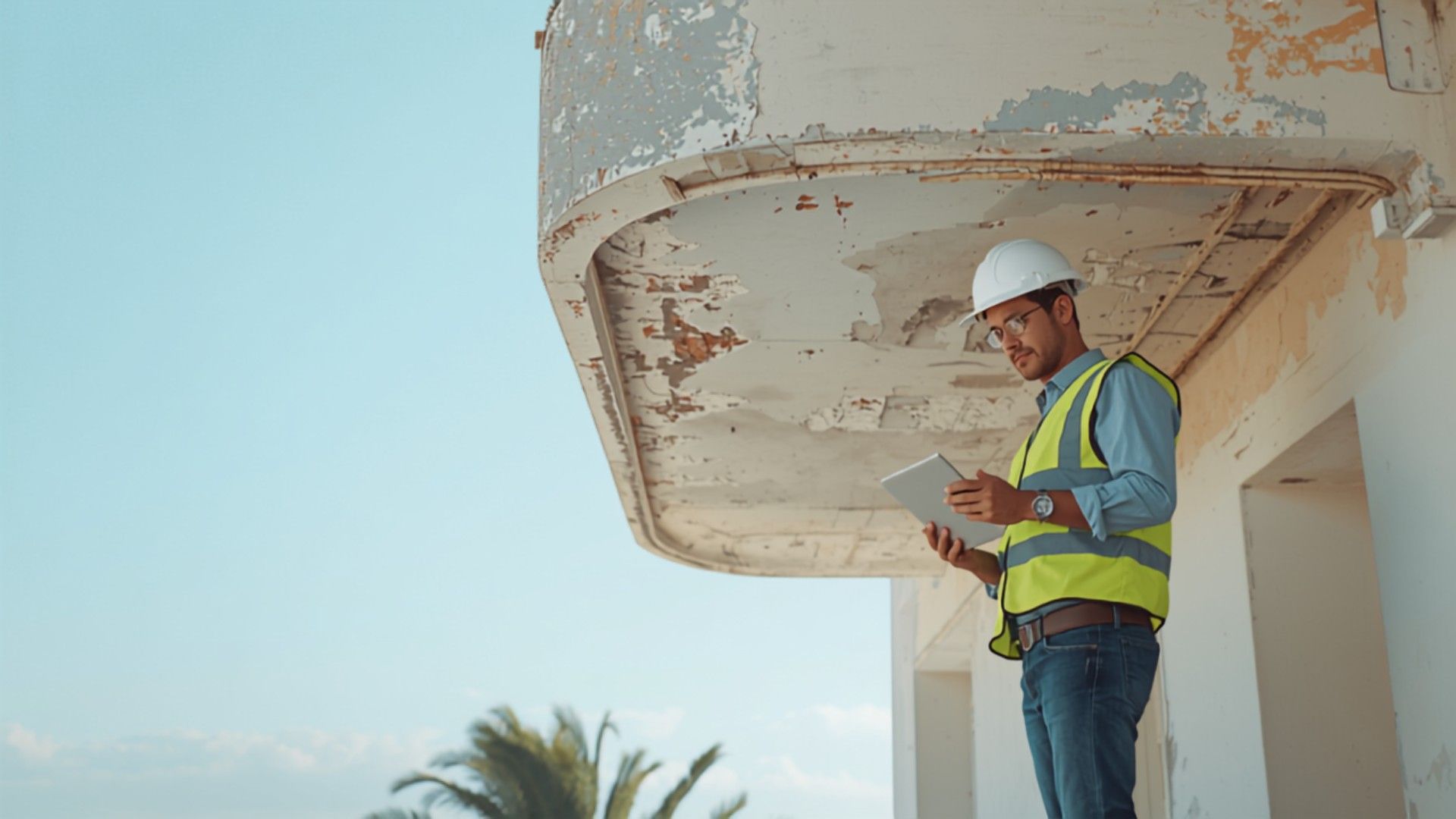
Aging infrastructure is a growing issue for Florida HOA and condo communities. Roofing, plumbing, elevators, concrete, stairwells, paint, pool systems, and structural components all deteriorate over time. When warning signs are ignored, costs rise and insurance risk grows.
The lesson: proactive beats reactive, every time.
Here’s how scheduled inspections, smart vendor management, and a proactive approach can save your association money, extend the life of your assets, and keep your community running smoothly.
Scheduled inspections: the backbone of prevention
A solid preventive maintenance program starts with regular inspections. These aren’t just box-checking exercises. Scheduled walkthroughs help boards and managers spot small issues before they become big ones. For example, a minor roof leak caught early can be patched for a few hundred dollars. Left unchecked, it could lead to mold remediation, drywall replacement, and thousands in repairs.
Inspections should cover all major systems including HVAC, roofs, plumbing, electrical, and common areas. Many associations create an annual maintenance map, listing projects by urgency, safety impact, cost, and seasonal timing. This approach prevents emergency repairs, avoids budget shock, and keeps improvements on schedule instead of reactive.
HVAC, roofs, and common areas: where the money goes
Some assets demand more attention than others. HVAC systems in Florida work overtime, especially in summer. Regular filter changes, coil cleaning, and system checks can extend their life and reduce energy bills. Roofs, battered by sun and storms, need periodic inspections for loose shingles, flashing issues, and drainage problems.
Common areas such as lobbies, hallways, pools, gyms see heavy use. Routine cleaning, minor repairs, and scheduled deep maintenance keep these spaces safe and attractive. Neglecting common areas can lead to resident complaints, safety hazards, and declining property values.
Vendor management: more than just hiring the lowest bidder
A preventive maintenance program is only as good as the people executing it. That’s where vendor management comes in. Boards should standardize how vendors are selected, documented, and reviewed. Collect bids the same way, confirm licensing and insurance, and compare apples to apples.
Long-term relationships with reliable vendors can mean faster response times and better pricing. But don’t get complacent. Instead, periodically review contracts and performance. A good manager will keep a list of pre-vetted vendors for everything from landscaping to elevator service, so you’re not scrambling when something goes wrong.
Extending asset life and protecting property values
Every dollar spent on preventive maintenance is an investment in your community’s future. Regular upkeep extends the life of roofs, HVAC systems, elevators, and other big-ticket items. That means fewer special assessments, more predictable budgets, and happier residents.
Well-maintained common areas and building systems also protect property values. Buyers notice when a community looks cared for, and so do appraisers and insurance companies. Preventive maintenance isn’t just about avoiding breakdowns; it’s about preserving the association’s most valuable assets.
Budget predictability: no more financial whiplash
Emergency repairs are budget killers. They force boards to raid reserves, levy special assessments, or delay other projects. Preventive maintenance, on the other hand, allows for planned spending. By tracking recurring tasks like pressure washing, sealant, HVAC service, roof checks, waterproofing boards can forecast expenses and avoid nasty surprises.
A preventive maintenance schedule also helps boards justify budget requests to residents. When owners see a clear plan and understand the rationale, they’re more likely to support necessary funding.
Operational efficiency: less drama, more control
A community that runs on preventive maintenance spends less time in crisis mode. Managers and boards can focus on improvements, resident engagement, and long-term planning instead of putting out fires. Standardizing maintenance processes like how vendors are chosen, how work is tracked, and how residents are notified can help reduce confusion and build trust.
Preventive maintenance also supports compliance with insurance requirements and local regulations. Insurers increasingly want proof that associations are maintaining roofs, fire systems, and other critical infrastructure. A documented program makes those conversations easier and can even help control premiums.
Takeaway: Start small, think long-term
If your board hasn’t formalized a preventive maintenance program, start with a simple annual inspection schedule and a list of recurring tasks. Build from there. The payoff is fewer emergencies, more predictable budgets, and a community that feels cared for.
If your association needs help building or refining a preventive maintenance plan, Condominium Associates’ team can walk you through the process, from vendor selection to scheduling and documentation.