
Storm-Ready Starts Here: How Proactive Maintenance Can Hurricane-Proof Your Property

30 July 2025

Share this article

If you live in Florida, hurricane season isn’t a maybe—it’s a when. Every year from June through November, the Sunshine State braces for high winds, storm surge, and torrential downpours. But what many property owners don’t realize is that the first and most critical layer of defense doesn’t come from insurance policies or legal documents—it starts with preventative maintenance. That’s where Ally Property Service steps in.


We’ve seen it all. Roof tiles lifted like playing cards. Water intrusion from gutters that hadn’t been cleared all year. HVAC systems sitting in standing water after just a few hours of heavy rain. And let’s not even talk about the pool furniture that ends up three blocks away because no one tied it down. These aren’t just frustrating mishaps—they’re entirely preventable with the right approach.

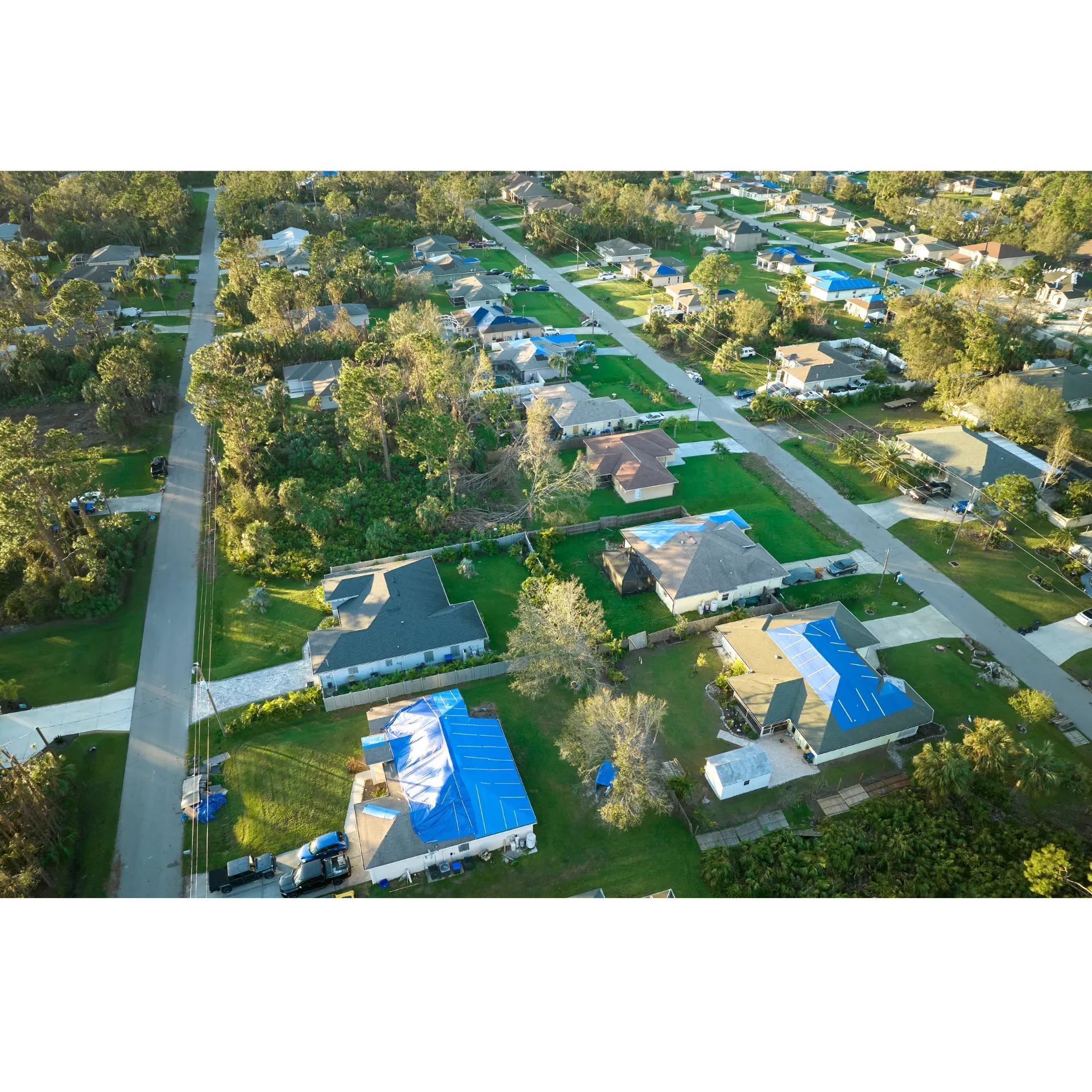
Aerial view of a suburban neighborhood with houses, streets, and trees in warm sunlight

Why Maintenance Is Your First Line of Defense


Getting storm-ready isn’t just about boarding windows and waiting out the wind. It’s about preserving the community you’ve invested in—financially and emotionally. Whether you’re overseeing a modest condominium or a large HOA, your maintenance strategy is your first layer of protection.


One of the best places to begin is your roof. If tiles or shingles are already loose, cracked, or misaligned, a Category 1 storm can become a costly water intrusion event. At Ally Property Service, our pre-storm roof inspections assess every inch of your roof, looking at the flashing, underlayment exposure, and any previous damage that might have flown under the radar.


Clogged gutters are another silent culprit. Many Florida properties deal with significant rainfall throughout the year, but few realize just how essential a clean, flowing gutter system is when a storm hits. Debris-filled gutters and downspouts cause water to overflow onto walkways, foundations, and even interiors. That’s why our maintenance teams not only clean them out regularly, but also recommend installing gutter guards when it makes sense.


Don’t Wait to Manage Outdoor Hazards


Florida’s tropical landscaping and pool-friendly communities often have a lot of unsecured furniture, signage, and decorative features. These all become dangerous projectiles in high winds. Our team helps communities create an inventory and a hurricane protocol for these items so they’re secured, removed, or stored ahead of time. We even assist in staging if a storm watch is declared.


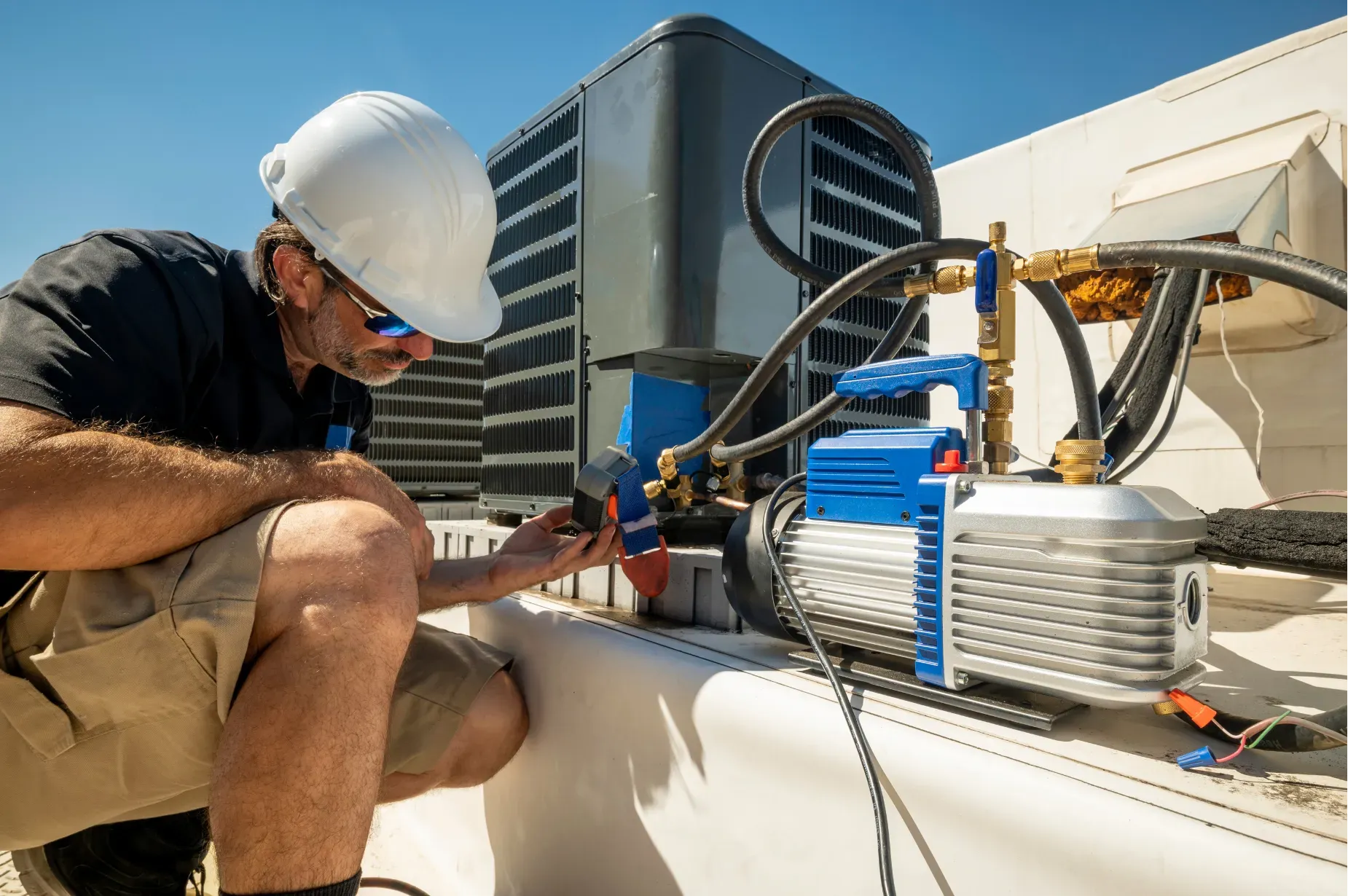
As for HVAC units, Florida’s heavy rains and flooding zones can wreak havoc on systems that aren’t properly installed or elevated. We inspect external systems to ensure they're off the ground, protected, and sealed, helping communities avoid short circuits, outages, or full replacements. The same goes for generators. We make sure they’re serviced, functioning, and placed appropriately so they actually do their job when the lights go out.

Worker in hard hat inspecting rooftop HVAC equipment with tools and cables

Drainage: The Unsung Hero of Hurricane Resilience


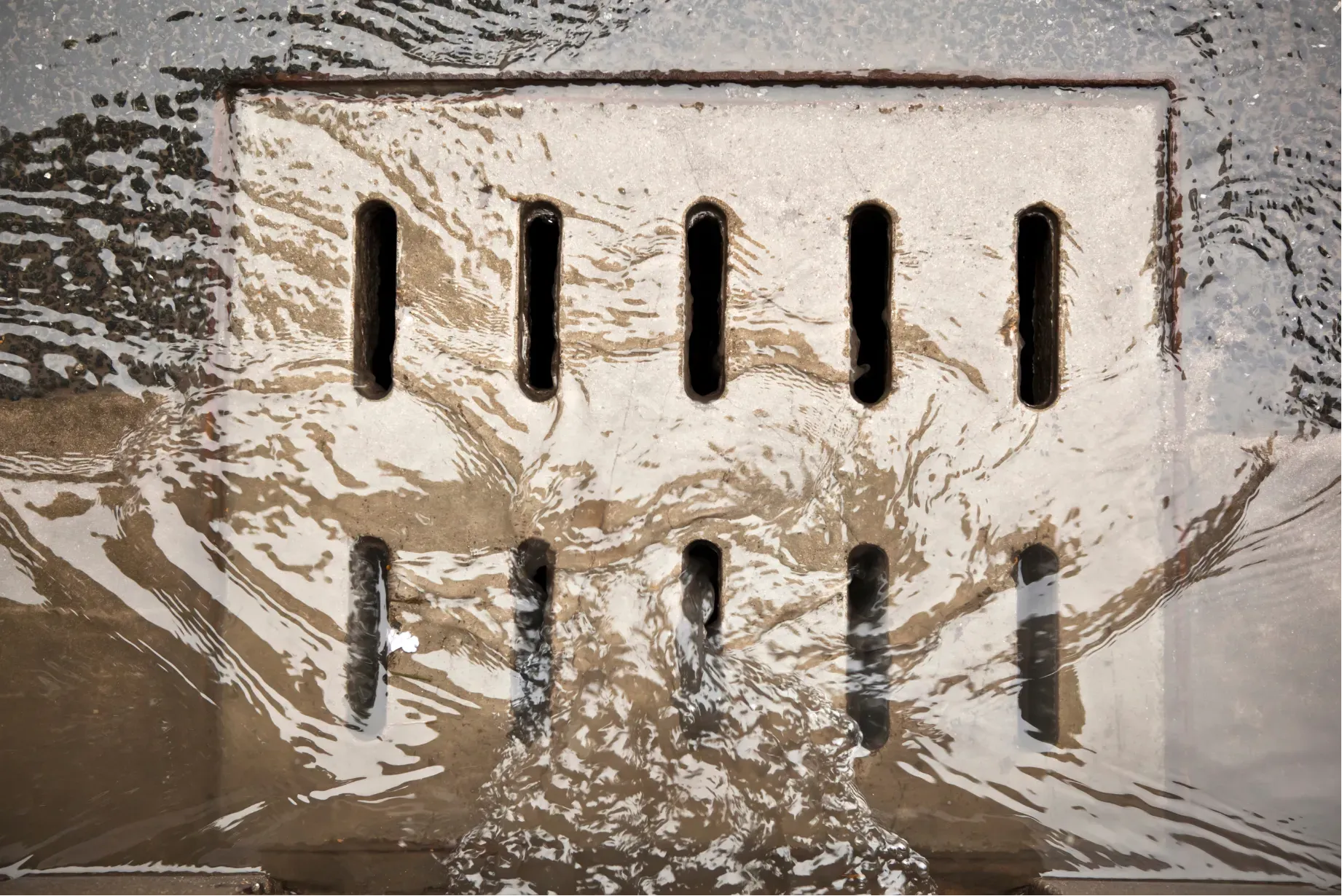
Stormwater management is one of the most overlooked but critical parts of hurricane preparation. Florida’s flat terrain means that one bad drainage angle can lead to serious property flooding. Ally Property Service evaluates your property’s grading, storm drains, retention ponds, and culverts to ensure everything is flowing correctly. If anything looks questionable, we help correct it—whether that’s clearing out a drain, redirecting runoff, or identifying low spots that need regrading.


The University of Florida’s IFAS Extension offers excellent insight into sustainable stormwater practices, and we use many of their principles when assessing community needs.

A beige vent grate with vertical slots, partially covered in muddy water or foam.

Real-World Results from Proactive Planning


We’ve watched neighboring communities deal with the aftermath of preventable damage—leaking roofs, destroyed landscaping, and flooded garages—because they waited too long to act. Often, they didn’t realize the extent of the problem until it was too late to get a vendor out. After every major storm, local contractors are swamped. Emergency cleanup gets expensive, response times are slow, and the entire community feels the impact.


The National Hurricane Center warns that most storm injuries and property losses occur not from wind but from preventable flood and debris damage. That’s why early maintenance is key.


If your community hasn’t yet prepared a hurricane plan, Ready.gov is a great place to begin for checklists and templates, especially if you’re part of a board.

Desk with chalkboard reading “Preparation is the key,” surrounded by office supplies and a laptop.

How Ally Property Service Makes It Easy


If you don’t know where to start, don’t worry—we do. Ally offers a full hurricane preparedness walkthrough designed for your specific property. We inspect the roof, test drainage, assess all exterior systems, and review your grounds with a fine-toothed comb. If something is off, we give you solutions—not just problems. And if you already have a hurricane plan, we’ll make sure it’s up to date and aligned with current maintenance standards.


We also make it easy to stay protected long-term. Many of our clients choose to roll hurricane prep into their annual maintenance contracts so there’s no scrambling when a storm is inbound. It’s one less thing for the board to worry about—and it usually saves thousands in repair costs and insurance claims.


If you need a local resource, FloridaDisaster.org provides county-specific alerts and preparation tips, while Pinellas County Emergency Management and Sarasota County Emergency Services publish seasonal hurricane updates and evacuation guides.


For landscaping and debris risk, the National Association of Landscape Professionals also shares insight on tree trimming and storm mitigation best practices.


What Happens After the Storm?


Once the winds die down, the real work begins. Communities face clogged storm drains, fallen branches, fence damage, and roof leaks. Ally Property Service can be there to provide damage assessments, photo documentation for insurance, and immediate cleanup and triage.


The CDC’s Hurricane Cleanup Guide outlines safety protocols for handling post-storm debris. We follow those, ensuring that your cleanup is not only fast, but also safe for your residents and staff.


For power systems and electrical safety, NFPA’s generator safety tips are a helpful read for any community manager.


Communities that work with Ally on a recurring basis are always prioritized in our post-storm scheduling queue. It’s our way of thanking those who plan ahead—and reinforcing that partnership matters when disaster strikes.

FAQs


• What maintenance tasks help protect buildings during a hurricane?

Essential tasks include roof inspections, gutter cleanouts, drain checks, generator servicing, tree trimming, and securing outdoor items.


• When should storm prep maintenance begin in Florida?

The best time to start is late spring—ideally by May—so you’re ahead of the June 1st hurricane season start.


• How do clogged gutters increase storm damage?

Clogged gutters cause overflow, which leads to water damage along foundations, walkways, and entry points.


• Can Ally Property Service inspect our roof and drainage before hurricane season?

Yes, we offer comprehensive property assessments specifically designed for storm prep.


• What are the biggest storm-related risks for HOA or condo common areas?

Common risks include loose debris, unsealed roof edges, poor drainage, unprotected HVAC units, and unmaintained trees.


• Who’s responsible for fixing damage after a storm—board, vendor, or insurance?

The association typically holds responsibility, but Ally helps streamline the repair and documentation process for quicker insurance responses.


• Does Ally offer post-hurricane cleanup services?

Absolutely. We offer debris removal, damage triage, and insurance-ready photo documentation.


• How can maintenance reduce insurance claims after a storm?

Prevention often results in smaller claims and fewer adjuster delays—insurers appreciate preparation.


• What areas are often missed in pre-storm maintenance checks?

Flat roof drains, utility rooms, common area gates, and exterior lighting systems are often overlooked.


• How do I request a hurricane maintenance walkthrough?

Just contact our team or visit our website to schedule a no-obligation walkthrough tailored to your property.

Recent Posts

Engineer in a hard hat inspecting spalling concrete on a Florida condominium balcony during a milest
by Josh Lamb 20 August 2026
Your Florida milestone inspection found structural deterioration. Here's the 365-day repair clock, how to scope and bid the work, and how boards pay for it.

by Association Management Team 17 August 2026
Successful associations don’t react to maintenance issues—they plan for them.

by Jane Yu 10 August 2026
Property condition directly impacts resident satisfaction, board perception, and property values.

by Association Management Team 3 August 2026
Property managers often spend significant time chasing vendors, managing work orders, and resolving service issues.

by Association Management Team 27 July 2026
Putting off maintenance may appear to save money, but often results in exponentially higher repair costs later.
by Association Management Team 20 July 2026
Whether it’s a hurricane, flood, fire, or major plumbing failure, the first 24 hours determine recovery costs and resident impact.
by Association Management Team 14 July 2026
Storm preparation starts months before landfall. Boards and managers who wait until a hurricane is approaching often face vendor shortages, higher costs, and longer recovery times.
Aerial view of a lakeside residential neighborhood with red-roofed houses and winding roads
by Association Management Team 9 June 2026
Why chasing the lowest bid can backfire, and how smart vendor oversight protects your association from bigger headaches -- and how the real costs of poor vendor oversight show up in ways that don’t fit neatly into a budget line.
by Association Management Team 29 May 2026
When hurricane or major storm hits, the aftermath can feel overwhelming. For associations and their boards, the difference between a smooth recovery and a drawn-out ordeal often comes down to preparation, vendor relationships, and clear communication.
by Association Management Team 8 April 2026
The most expensive repair is usually the one nobody saw coming. So what's the real cost of deferred maintenance? Deferred maintenance doesn’t just hit the wallet; it can also drive up insurance costs and erode resident trust.
Show More